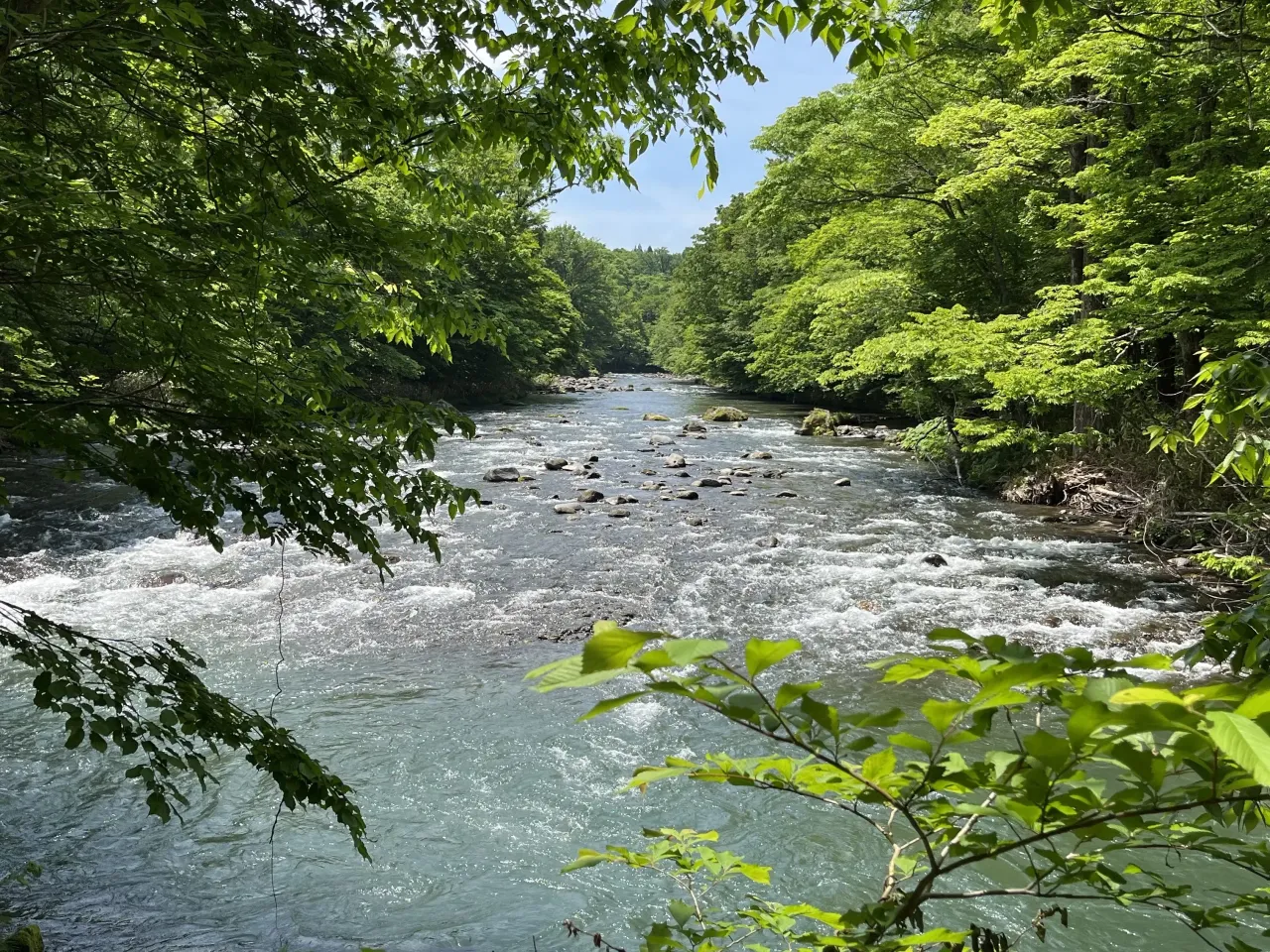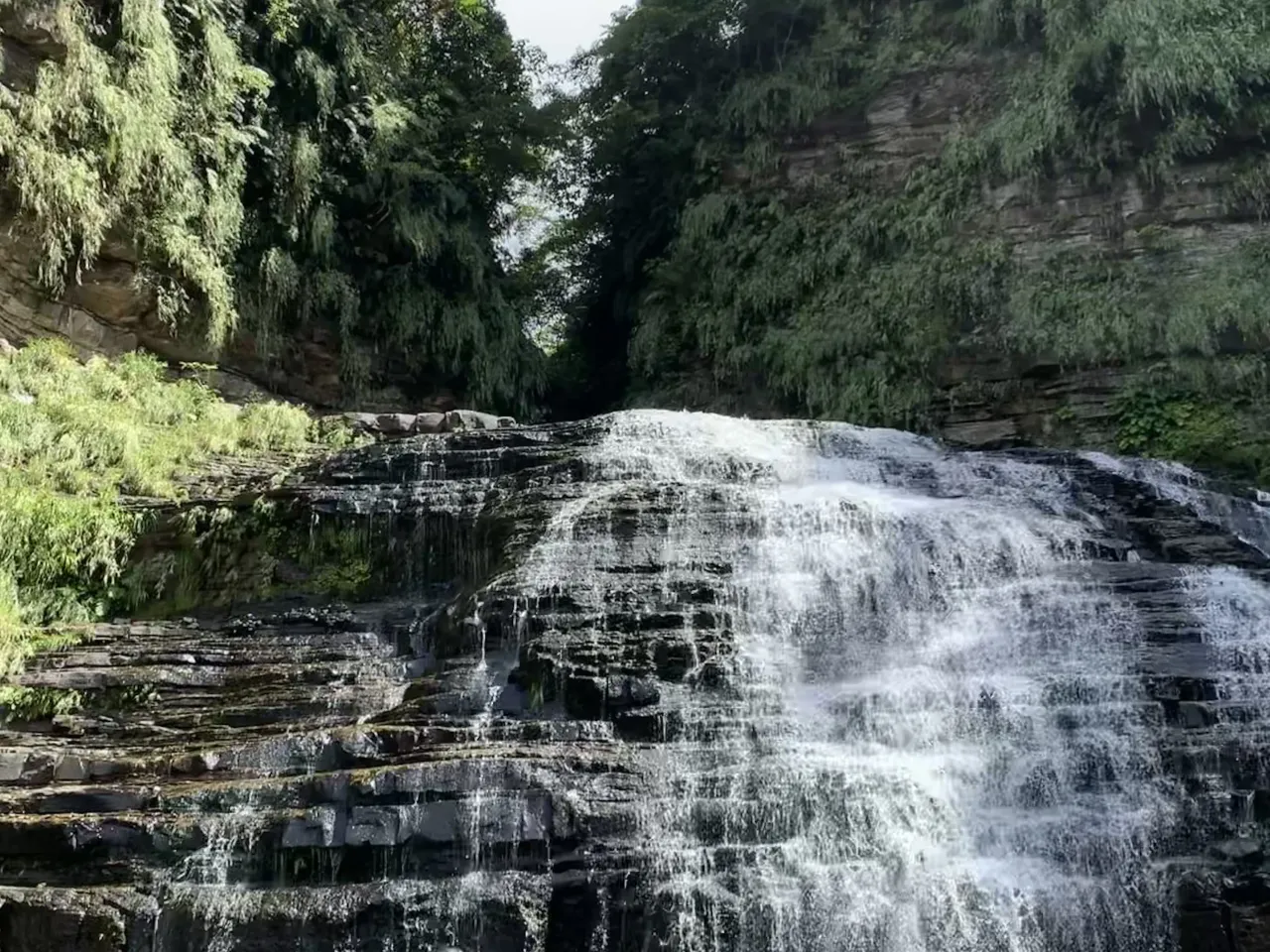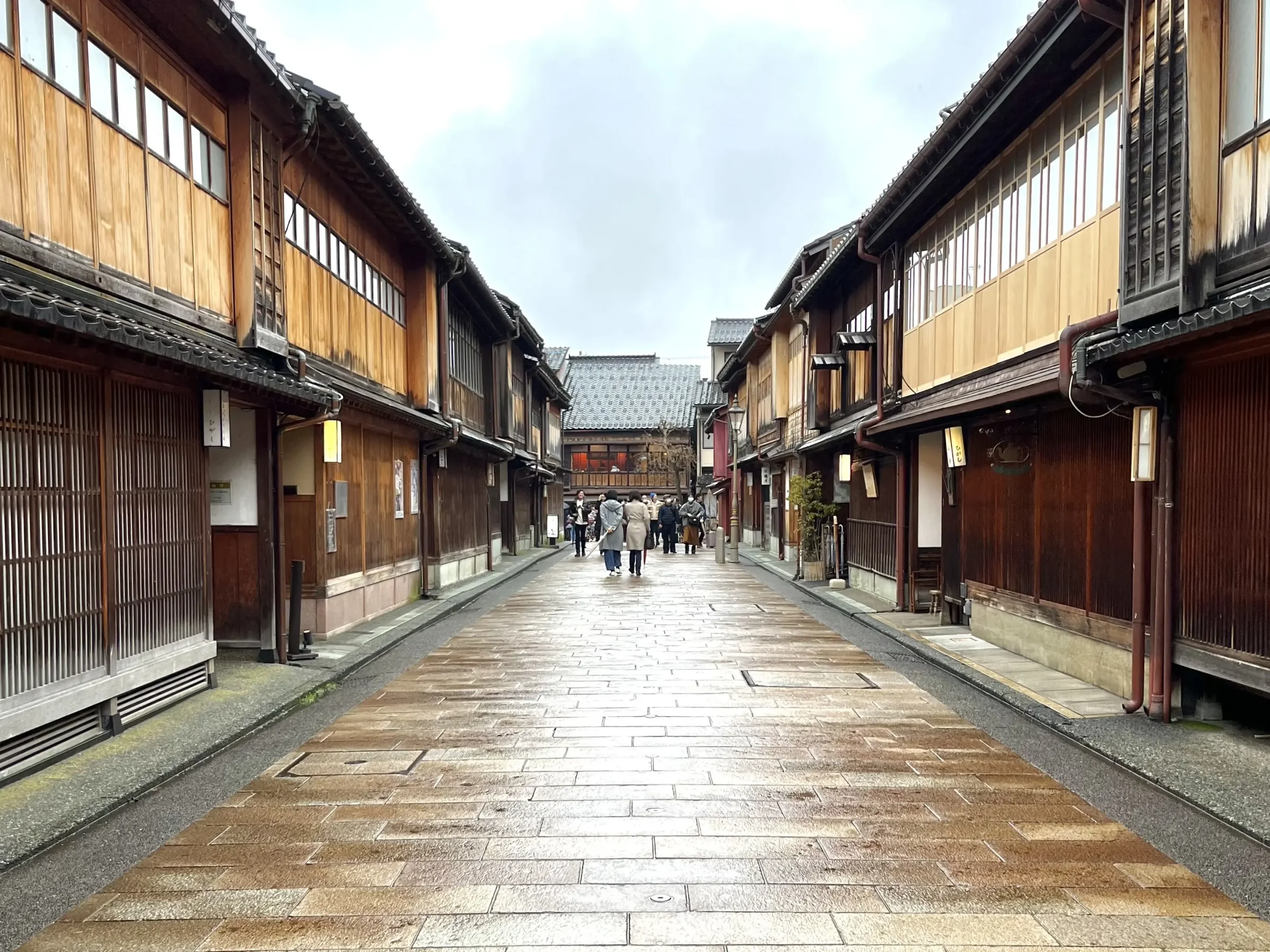
This time, I'd like to share my experience of a 10-day workation in Ishikawa Prefecture!
I was based primarily in Kanazawa city, and on my days off I took drives to places like Shirakawa-go. I took a few days off to leisurely explore the Noto Peninsula and fully enjoyed Kaga Onsen as well.
It was such a wonderful place that touched my heart, so please enjoy this while imagining the scenery I encountered.
Background
- Since I went on a 10-day workation in total, I was working from an Airbnb in Kanazawa during weekday daytime hours. For the remaining 4 days, I took weekends and time off to leisurely explore the Noto Peninsula and Kaga Onsen.
- I visited in January 2023, before the 2024 Noto Peninsula Earthquake. It was such a magnificent place, and I sincerely hope for the swift recovery of those affected by the disaster. Please note that some locations may differ from how they were when I visited.
Schedule
- Days 1-7
- Kanazawa @ Airbnb
- Kanazawa Castle (Japanese: 金沢城)
- Kenrokuen Garden
- Omicho Market
- Higashi Chaya District
- Ishikawa Prefectural Products Center (Japanese: 石川県観光物産館) (traditional sweets-making experience)
- 21st Century Museum of Contemporary Art (Japanese: 21世紀美術館)
- Shirakawa-go
- Kanazawa @ Airbnb
- Days 7-10
- Noto Peninsula
- Wakura Onsen @ Notoraku (Japanese: のと楽)
- Wakura Onsen Festival Hall (Japanese: 和倉温泉お祭り会館)
- Kaga Onsen @ Kagaya (Japanese: 加賀屋)
- Noto Island Glass Art Museum (Japanese: 石川県能登島ガラス美術館)
- Notojima Aquarium (Japanese: のとじま水族館)
- Besshodake Service Area (Japanese: 別所岳サービスエリア)
- Wakura Onsen @ Notoraku (Japanese: のと楽)
- Noto Peninsula
Kanazawa Tourist Attractions
Kanazawa Castle
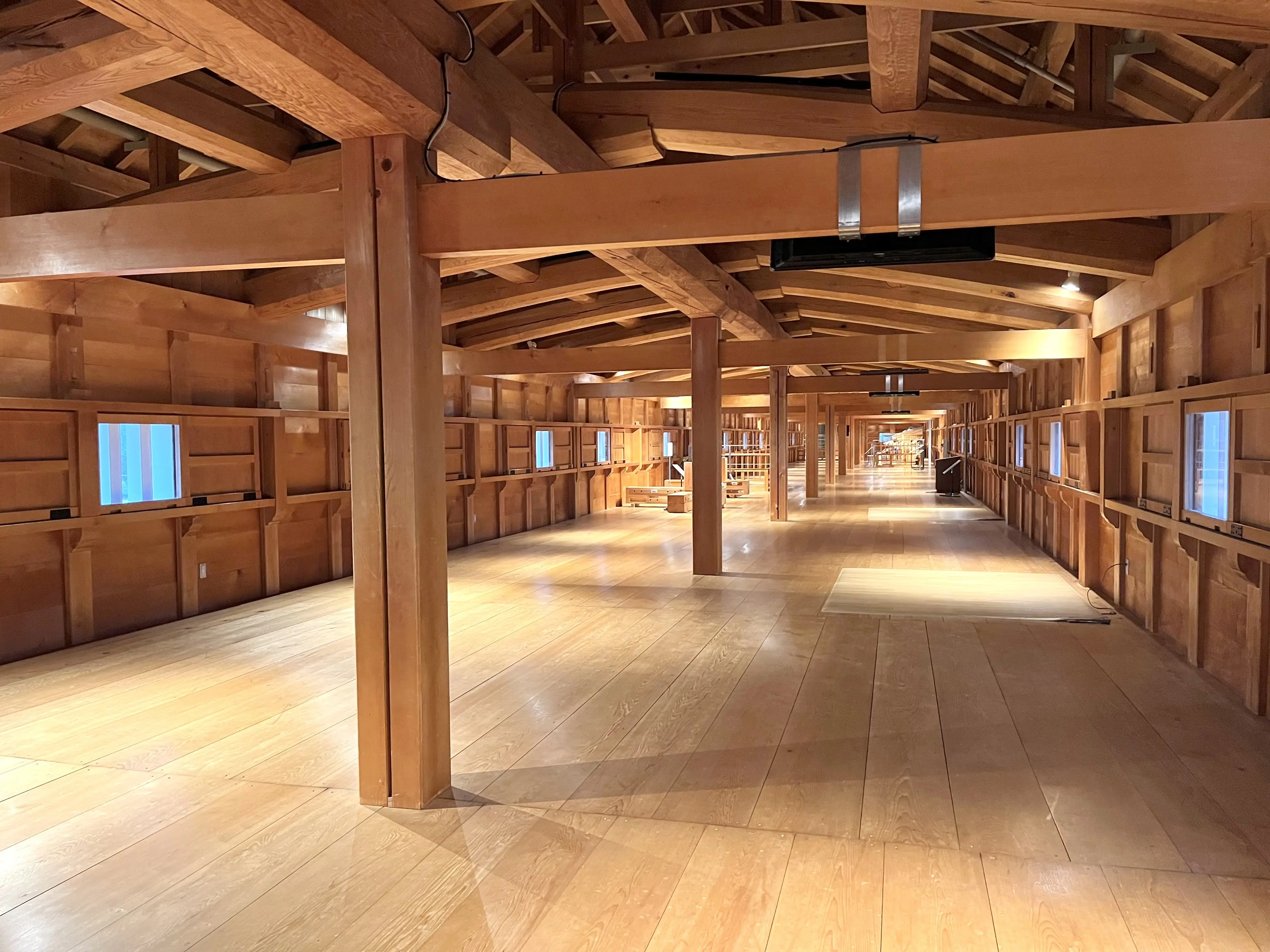
Kanazawa Castle stands in the middle of the city, surrounded by remarkably tall and impressive stone walls. I've seen castles all over the country, but it's rare to find one built on flat land with stone walls this high, where only the upper, limited areas are accessible.
Kanazawa Castle is also a particularly fascinating place where you can see the castle's defensive mechanisms up close, with thorough explanations provided.
There are primitive but effective features like "ishiotoshi" (stone drops) used to halt enemies by dropping stones on them, "kakushi hazama" (hidden loopholes) and "teppō hazama" (gun ports)—holes in the walls designed to fire guns while remaining concealed from the enemy. If you look carefully, you can discover all sorts of interesting mechanisms.
There are also videos showing the restoration work, so you can see how parts of the buildings were constructed.
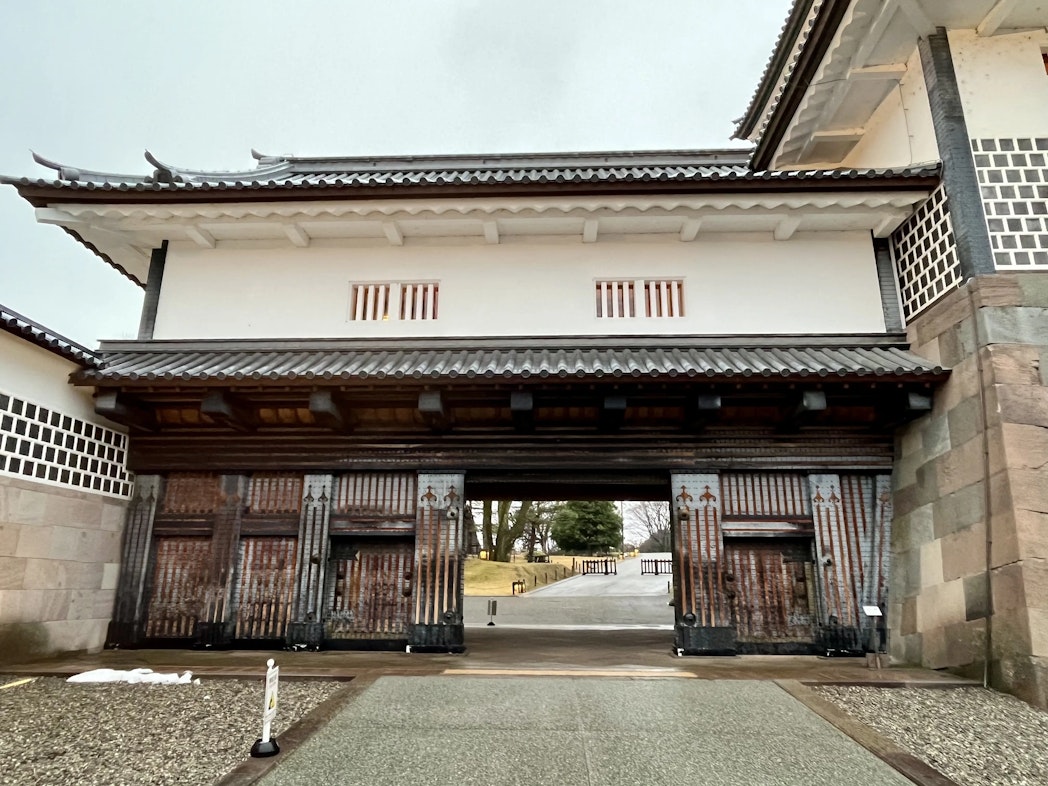
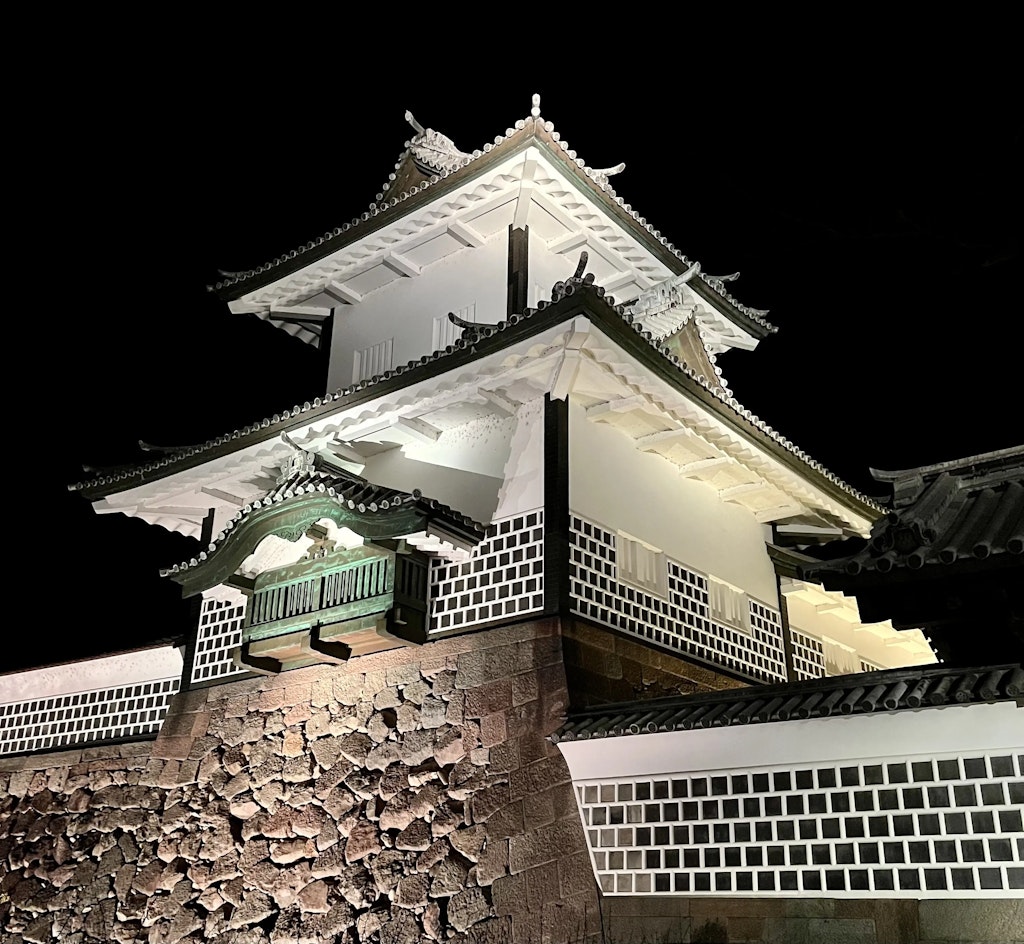
The area around Kanazawa Castle is also wonderfully romantic for an evening stroll.
Some parts are lit up at night, and the contrast between the white of the castle and the black of the darkness is magnificent, so I highly recommend going right up to it!
The official website for Kanazawa Castle is here
Kenrokuen Garden
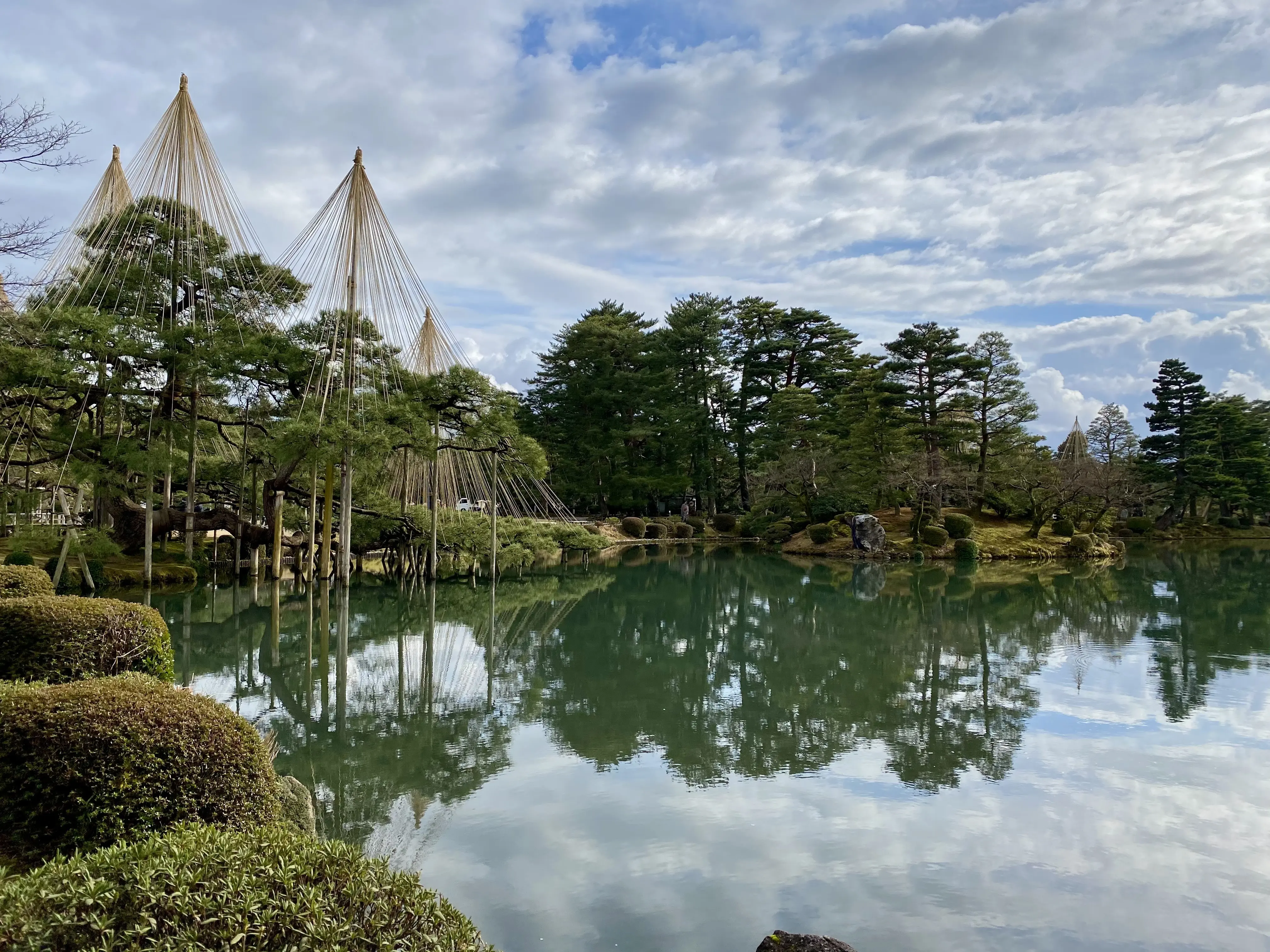
Kenrokuen Garden is truly one of Japan's finest Japanese gardens.
In Kanazawa, they set up "yukitsuri" (snow supports) in winter to prevent the trees from being damaged by the weight of snow, so I recommend visiting during the season when the yukitsuri are in place.
The garden is quite expansive, so there's plenty to explore on foot.
The Kenrokuen Garden homepage is here
Omicho Market
This market has long flourished as the kitchen of Kanazawa's residents.
Here, seasonal seafood and other fresh items are lined up in abundance.
There are also plenty of famous sushi restaurants and eateries, so I recommend having lunch here!
My recommendation, which I'll also mention below, is Daikoku Sushi (Japanese: 大國寿司) inside Omicho Market!
Higashi Chaya District
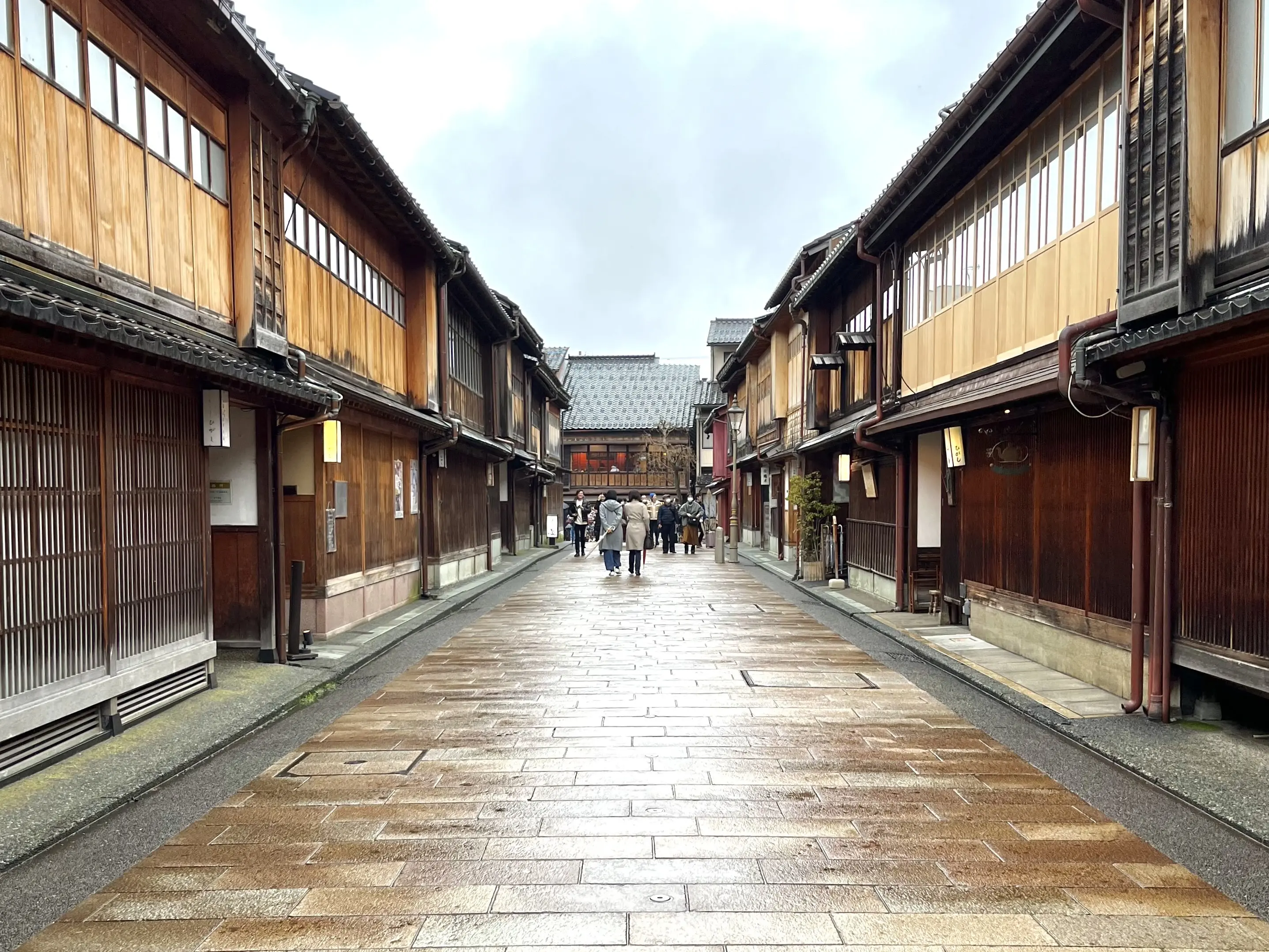
Higashi Chaya District is a teahouse district that flourished in the late Edo period, and many of the old buildings still remain today. It's a delightful street with cafes, restaurants, and souvenir shops to browse.
You can rent kimono nearby, so walking through Higashi Chaya District in kimono is also very popular.
This is also a place where there are still teahouses with geiko (geisha), but generally they don't accept first-time customers. However, it seems that sometimes they offer experience plans for tourists, so if you're interested, please look into it.
I was interested and thought I might hear the sounds of people enjoying themselves at the teahouses, so I took a walk through Higashi Chaya District late at night, but I didn't hear any such sounds (laughs). Higashi Chaya District at night is a bit quiet, but it's also a fantastically lovely place.
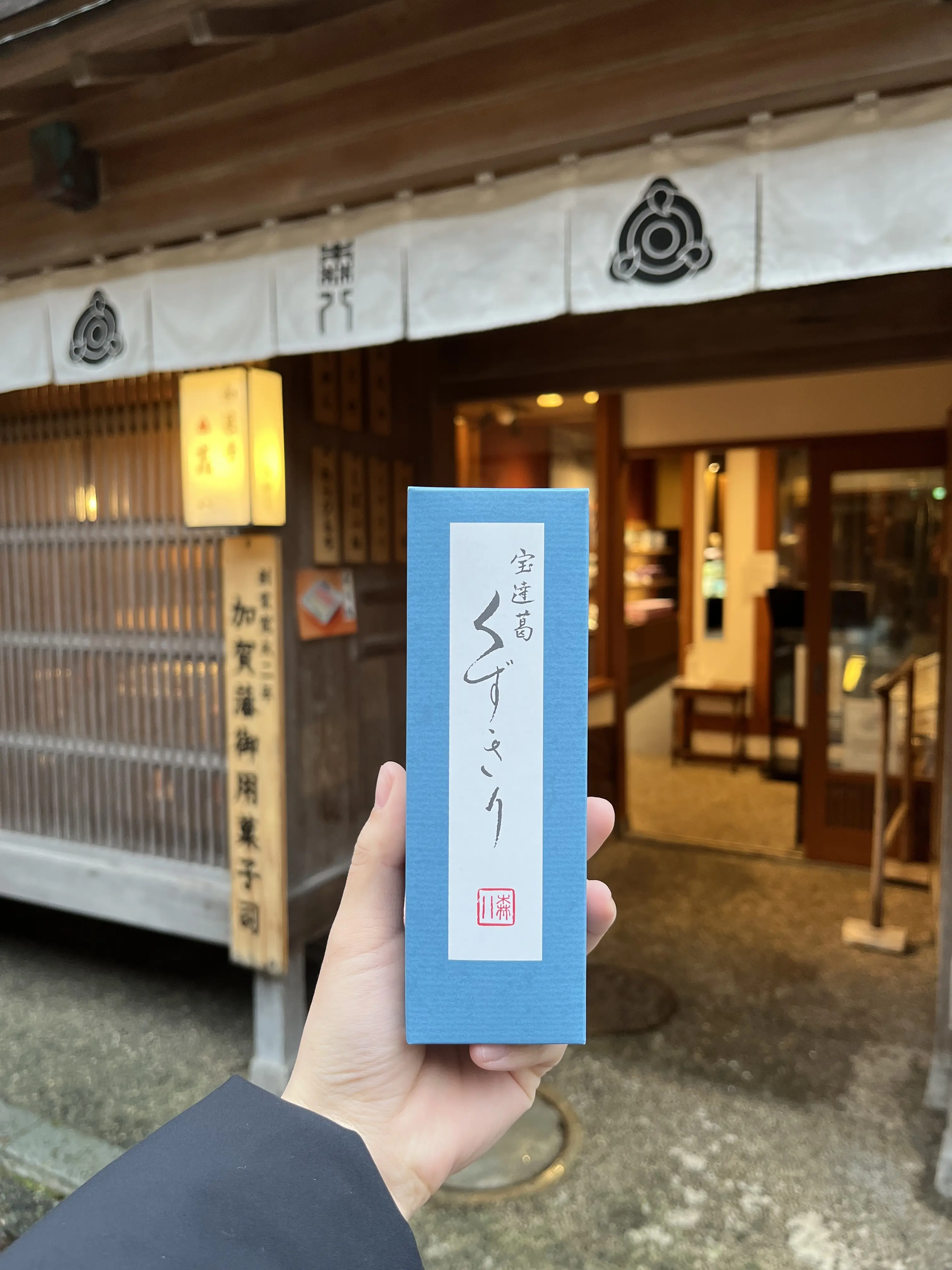
At Higashi Chaya District, I purchased Hodatsu kudzu kuzukiri that was purveyed to the Kaga Domain✨
Ishikawa Prefecture Tourism and Products Center (Wagashi Hands-On Experience)
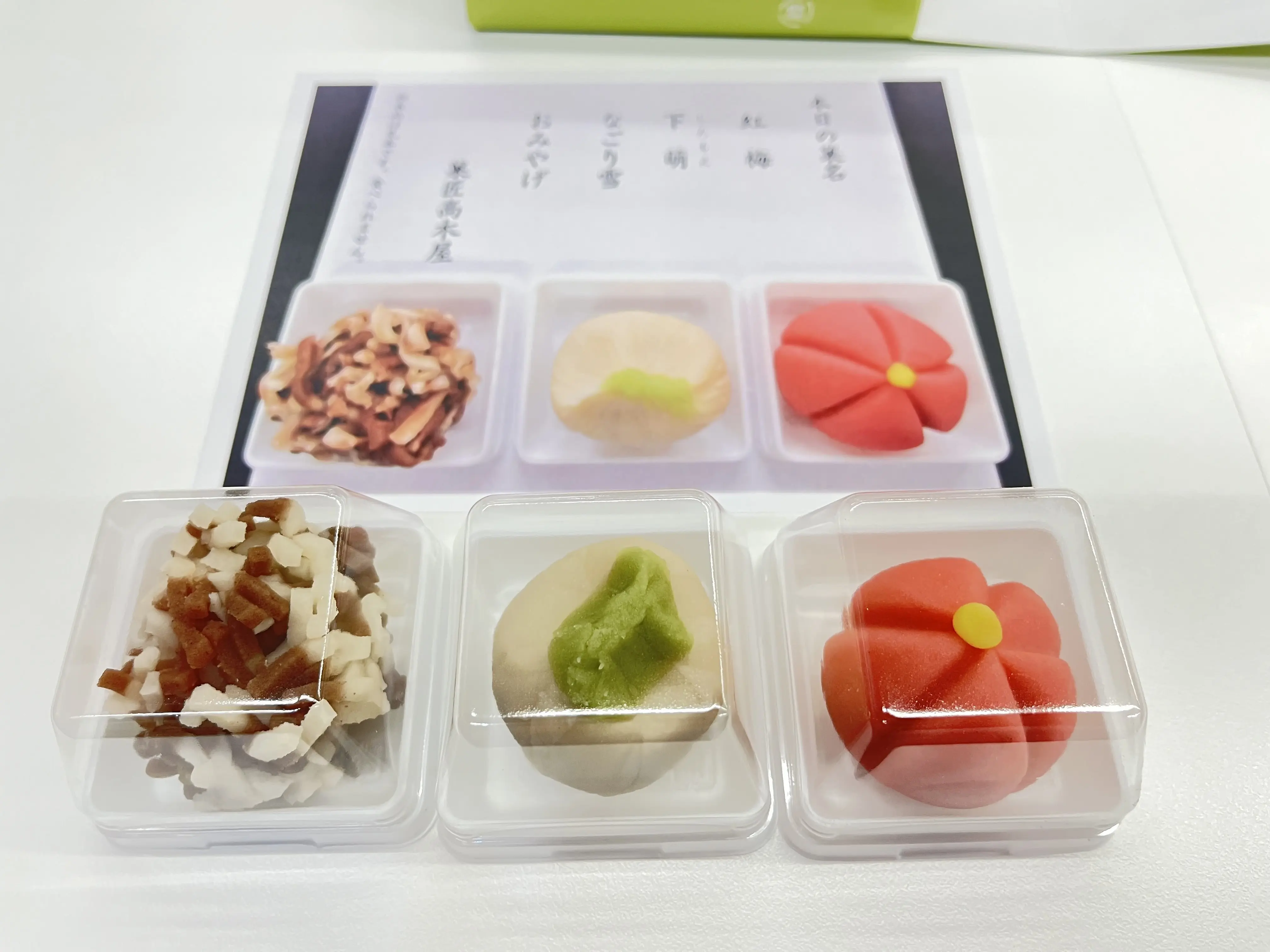
When I travel, I always try to experience local traditional activities. For this trip, I chose wagashi making.
An artisan who actually makes wagashi in Kanazawa stands at the front and carefully teaches how to make each sweet, one by one.
Looking at this photo, can you imagine how each sweet is made??
For the actual method, please go experience it yourself and learn!
They look beautiful, but they're truly difficult to make, and I definitely thought this is a master craftsman's skill.
The experience requires a reservation, so please book in advance!
You can make a reservation from ↓
21st Century Museum of Contemporary Art
When it comes to Kanazawa, the 21st Century Museum of Contemporary Art (Japanese: 21世紀美術館) is so popular that you could say everyone who visits goes there. Since I had work on weekdays, this time I went for an evening stroll.
The 21st Century Museum of Contemporary Art has various exhibitions, and they often hold special exhibits as well.
My particular favorite is a work called "Turrell's Room" (Japanese: タレルの部屋).
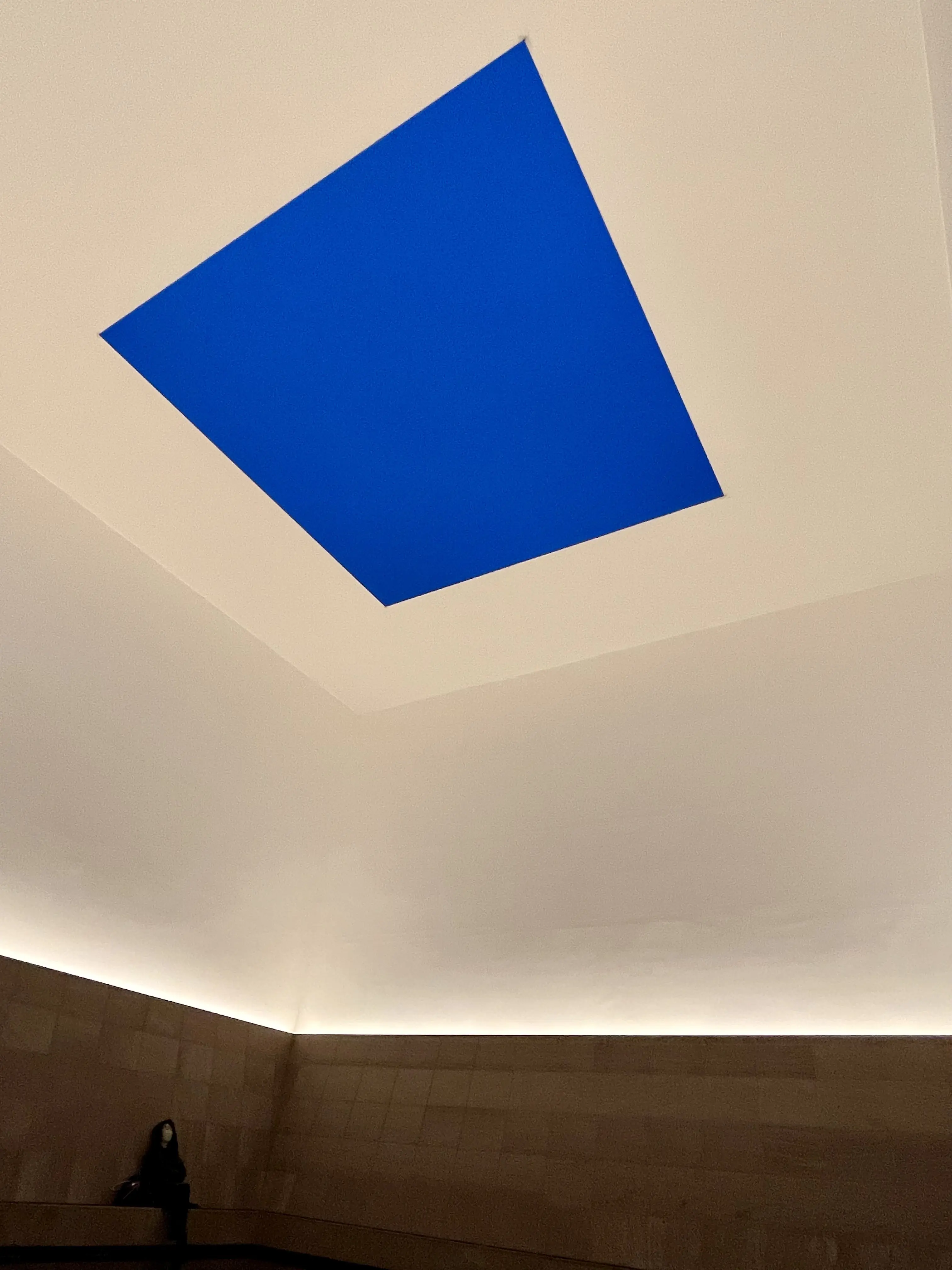
This room has an opening in the ceiling, and since it was raining that day, rain was falling down from above. Especially because it was evening, the contrast between the surrounding white and the blue of the sunset sky, with the rain falling through it, was incredibly fantastical and beautiful.
I thought it was a wonderful work that shows you a different scene each time you visit.
Ishikawa Prefectural Noh Theater
This is a place where you can see live performances of "Noh," one of Japan's traditional cultural arts. Unfortunately, my schedule didn't work out this time so I couldn't go, but I'd like to coordinate my schedule and visit next time.
This is apparently the first independent public Noh theater in the country.
While it is Japanese culture, even as a Japanese person I've only seen it in textbooks and movies, so I definitely want to go next time.
Nearby is the Kanazawa Noh Museum.
The day I went happened to be a closed day so I couldn't visit, but apparently Noh masks and costumes are on display there.
If you think diving straight into watching Noh is too much of a hurdle, starting here might be a good option!
Shirakawa-go
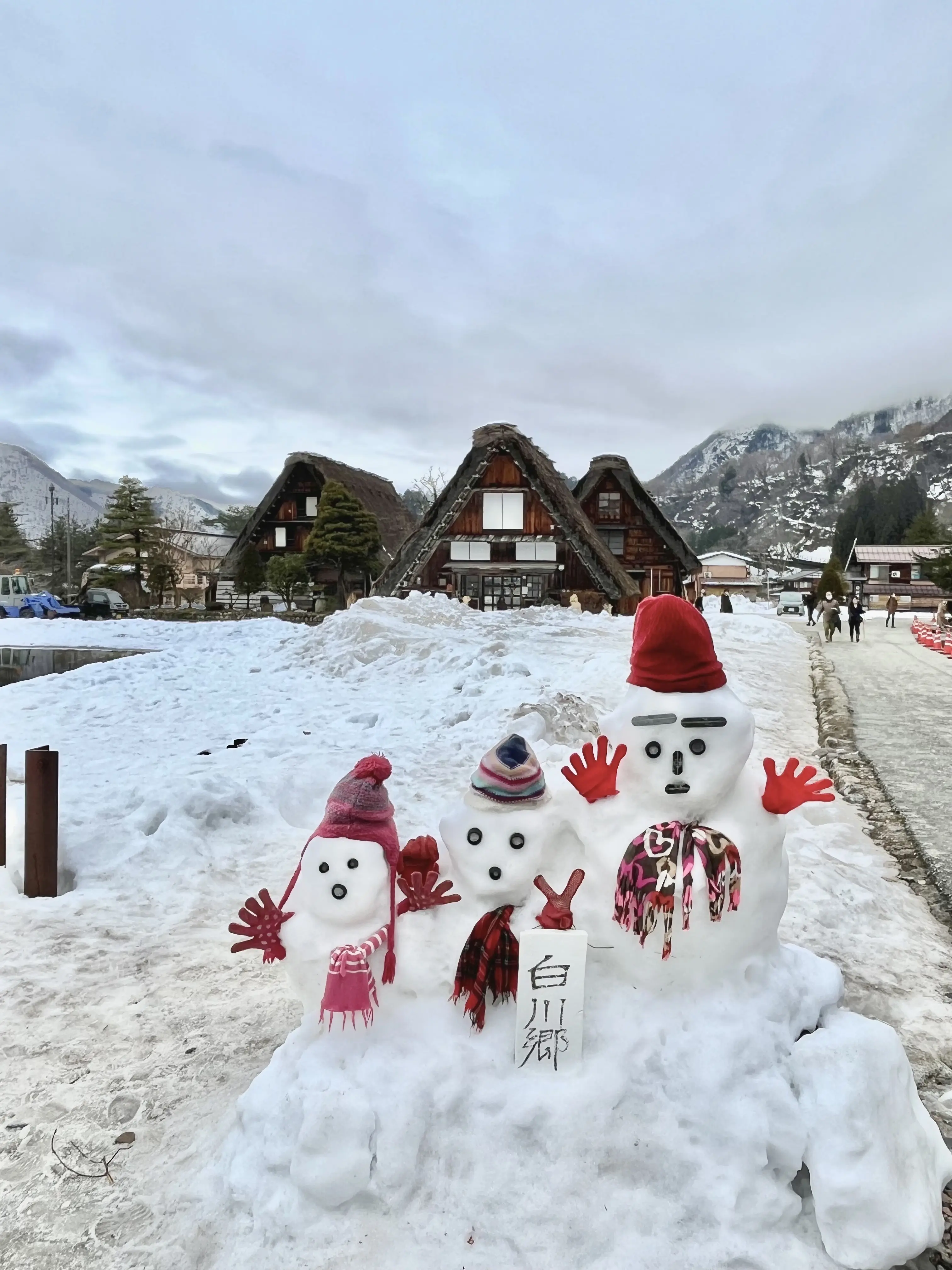
I rented a car in Kanazawa and drove to Shirakawa-go. It takes about an hour by car from Kanazawa city to Shirakawa-go.
Buses are also available, so especially in winter or during high season, I recommend taking the bus.
You can book bus tickets here
I learned for the first time when I visited Shirakawa-go that people still live in and maintain the gassho-zukuri houses.
Some houses are open to visitors, and you can tour the rooms and even the attic spaces.
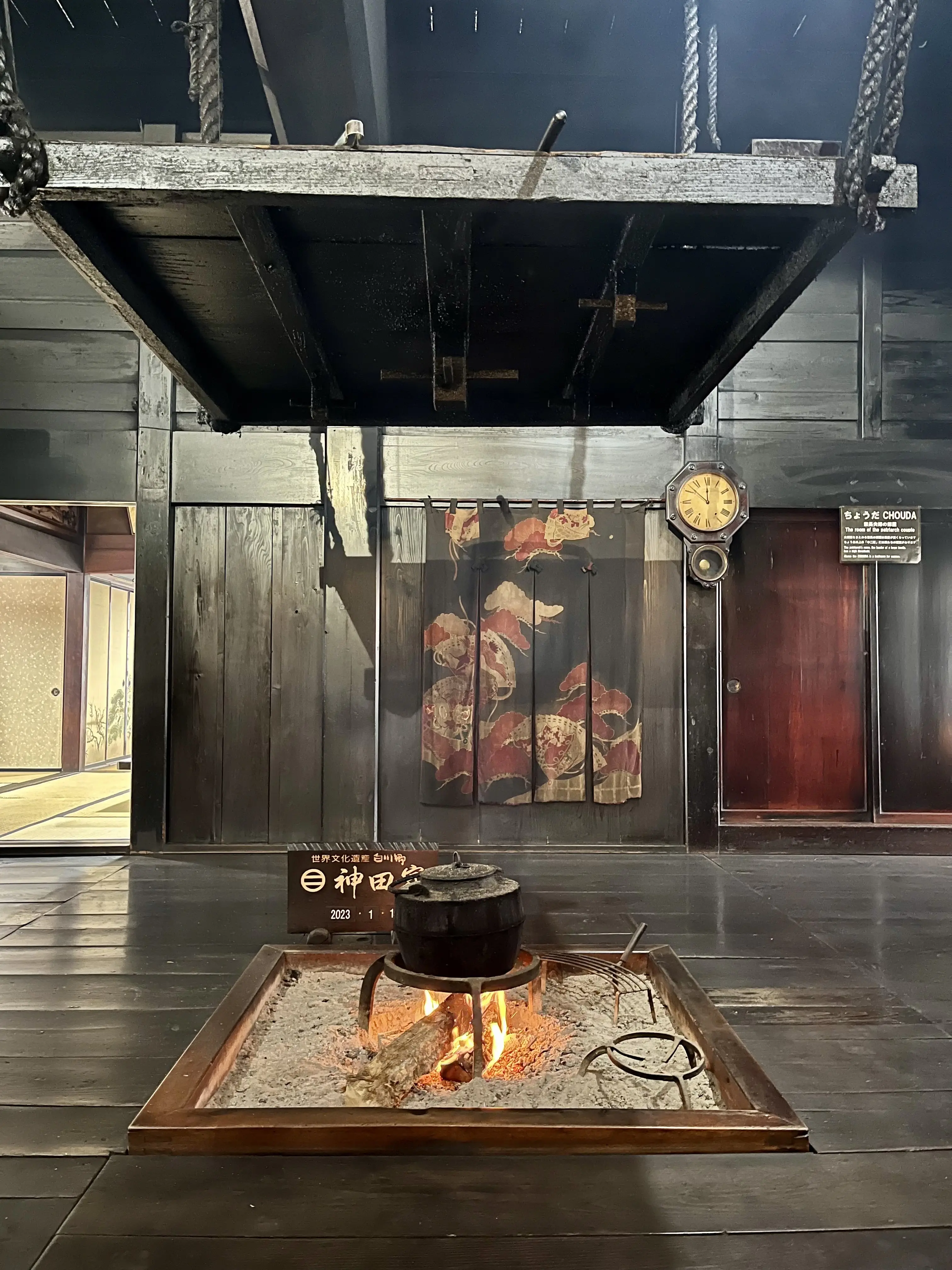
Apparently, houses deteriorate quickly if they're not lived in and regularly aired out and maintained...
I could see the attention to detail, like how they burn fires in the irori (hearth) to protect the thatched roofs from insects and moisture.
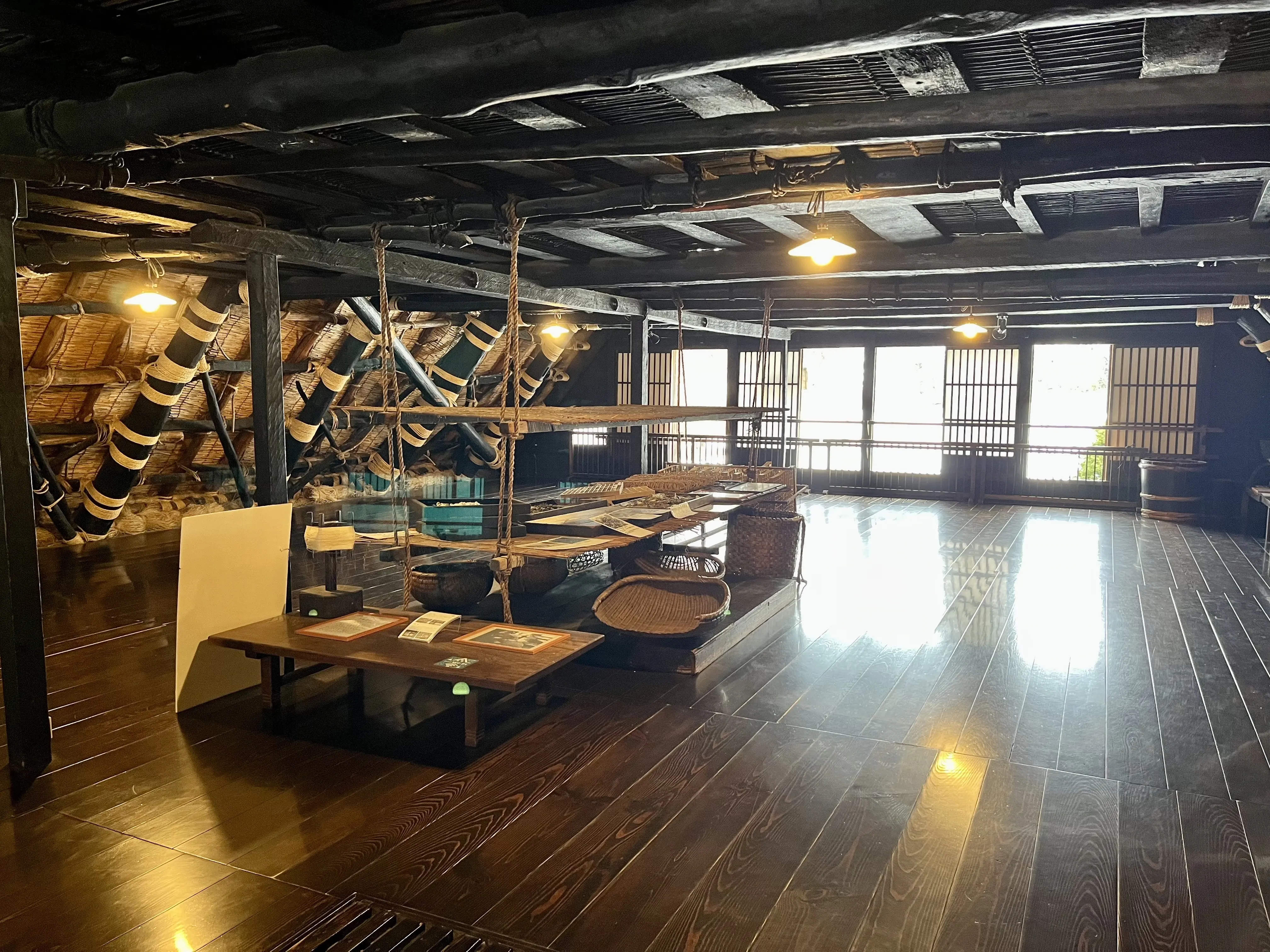
Gassho-zukuri construction uses techniques that don't require nails or iron, so when you look at the ceiling, you can see it's made of wood and rope. It's quite rare to see this technique up close like this, and I was truly captivated.
The roofs are steep so snow slides off easily in this heavy snow region, but it's hard to believe they're constructed only with wood and rope.
I saw a video playing at one of the houses about re-thatching the roof, and apparently it needs to be done once every 20-30 years and can cost tens of millions of yen.
This place is maintained today through such efforts, so please visit with a respectful attitude.
By the way, there are also houses where you can have a lodging experience. I'd like to actually stay in a gassho-zukuri house next time I visit🙌
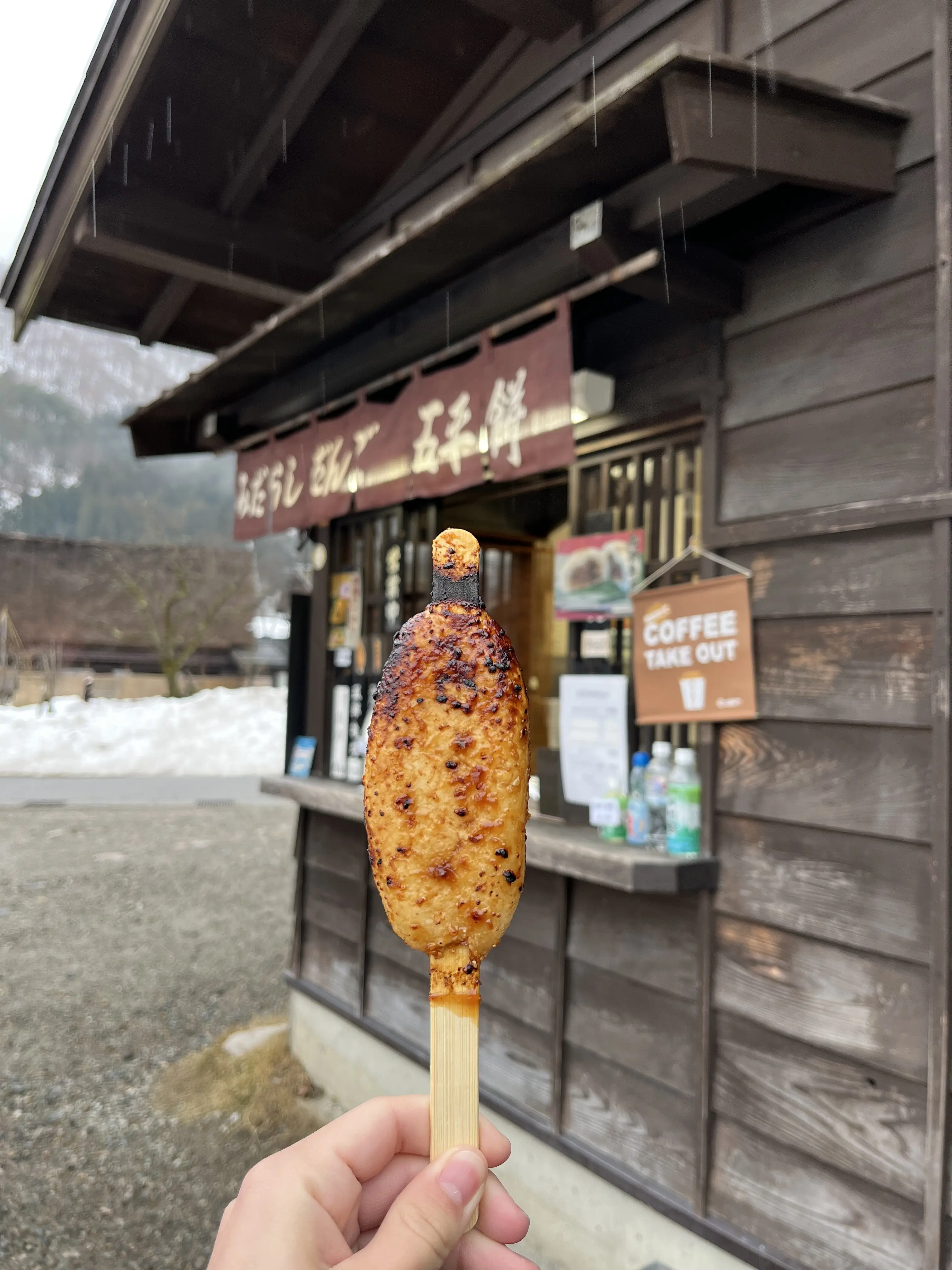
By the way, gohei-mochi is eaten as a local dish in the Chubu region (Japanese: 中部地方), including this area. I discovered a gohei-mochi shop in Shirakawa-go and tried it!
It was delicious😋
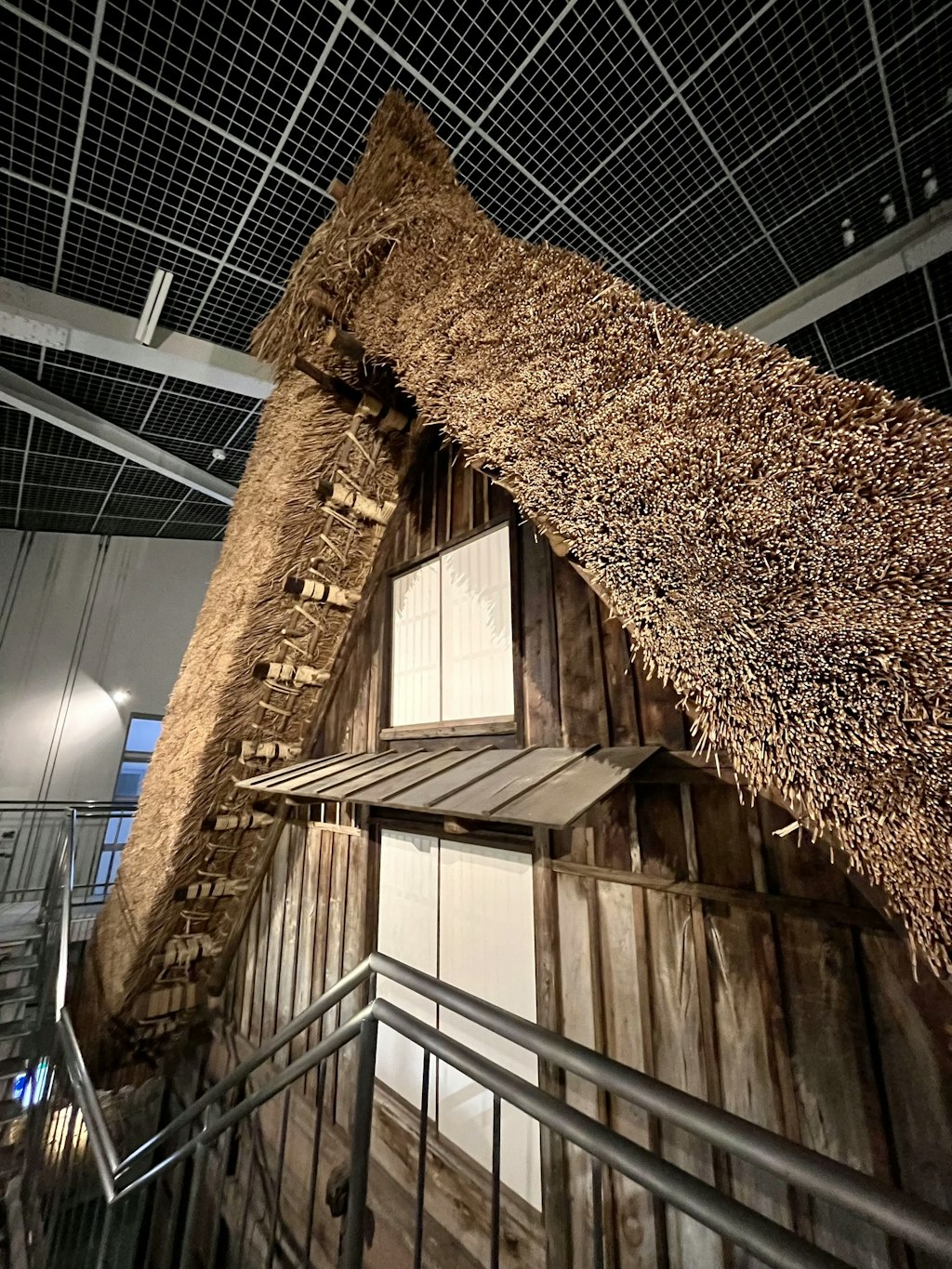
For those interested in gassho-zukuri!
At Michi-no-Eki Shirakawa-go (Japanese: 道の駅 白川郷), about 7 minutes by car from Shirakawa-go, there's a free gassho-zukuri museum where you can learn about the construction methods and see them up close!
It's free but you can really take your time looking around, and it's quite a wonderful place, so please make the trip!
Kanazawa Recommended Gourmet Restaurants
Kanazawa Recommended Lunch
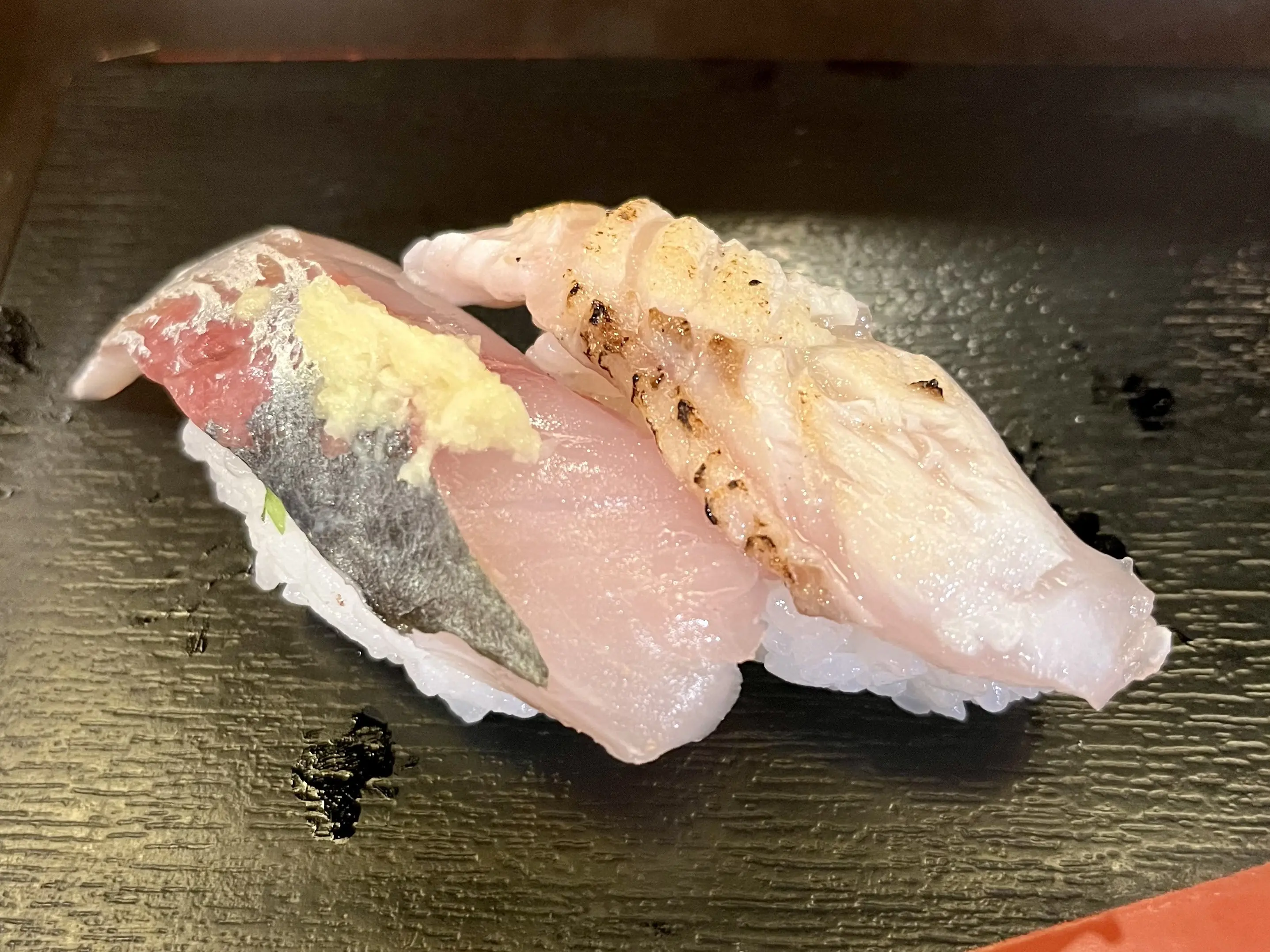
This sushi restaurant is located just off the main street of Omicho Market, and was recommended to me by locals as a delicious sushi spot.
I had the seasonal nigiri course, and from the very first plate, nodoguro (blackthroat seaperch) appeared, along with Noto oysters, anago (sea eel), and more. It was such a luxurious and extravagant nigiri course that I thought, "Is this really okay for lunch and not a dinner course?" Everything was delicious and I finished it in no time.
It's a wonderful sushi restaurant run by a lovely couple with a true spirit of hospitality, so I definitely want you to try it!
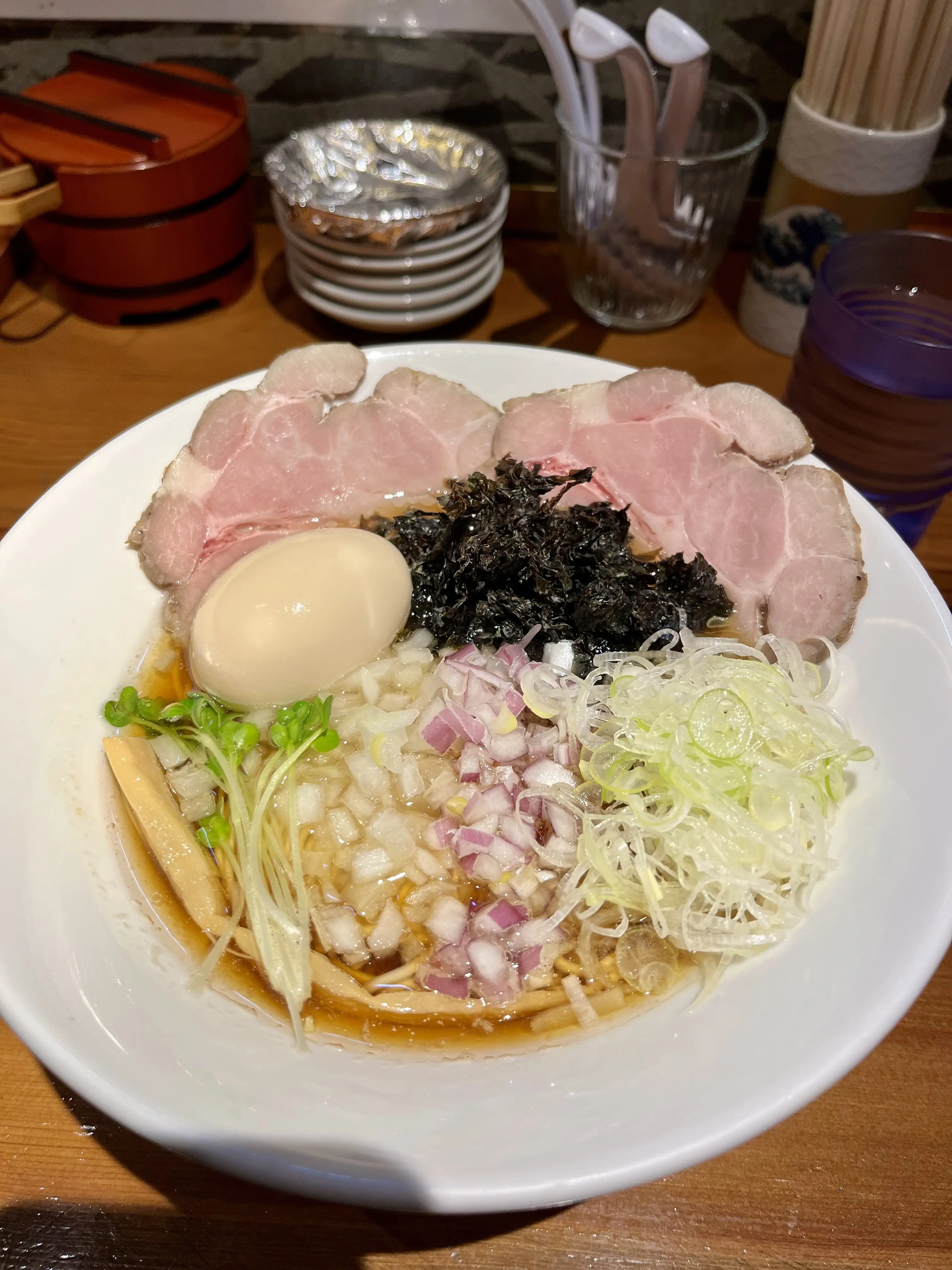
Kanazawa Rich Niboshi Tonkotsu Inoshin (Japanese: 金沢濃厚煮干豚骨 伊乃心)
*Open until morning, so you can go at night too
This is a delicious ramen shop in Kanazawa that a local taxi driver told me about.
It has a gentle, comforting flavor. There are various flavors to choose from, so it's hard to decide ><
It's close to tourist attractions, so it's worth eating here even if you're sightseeing!
Hiramipan (Japanese: ひらみぱん)
A popular bakery in a quiet residential neighborhood.
The interior is very stylish, with rows of delicious-looking bread.
You can eat in at the stylish interior, or take out.
Everything looked so delicious that I couldn't choose and ended up selecting too many, but they were all really delicious!
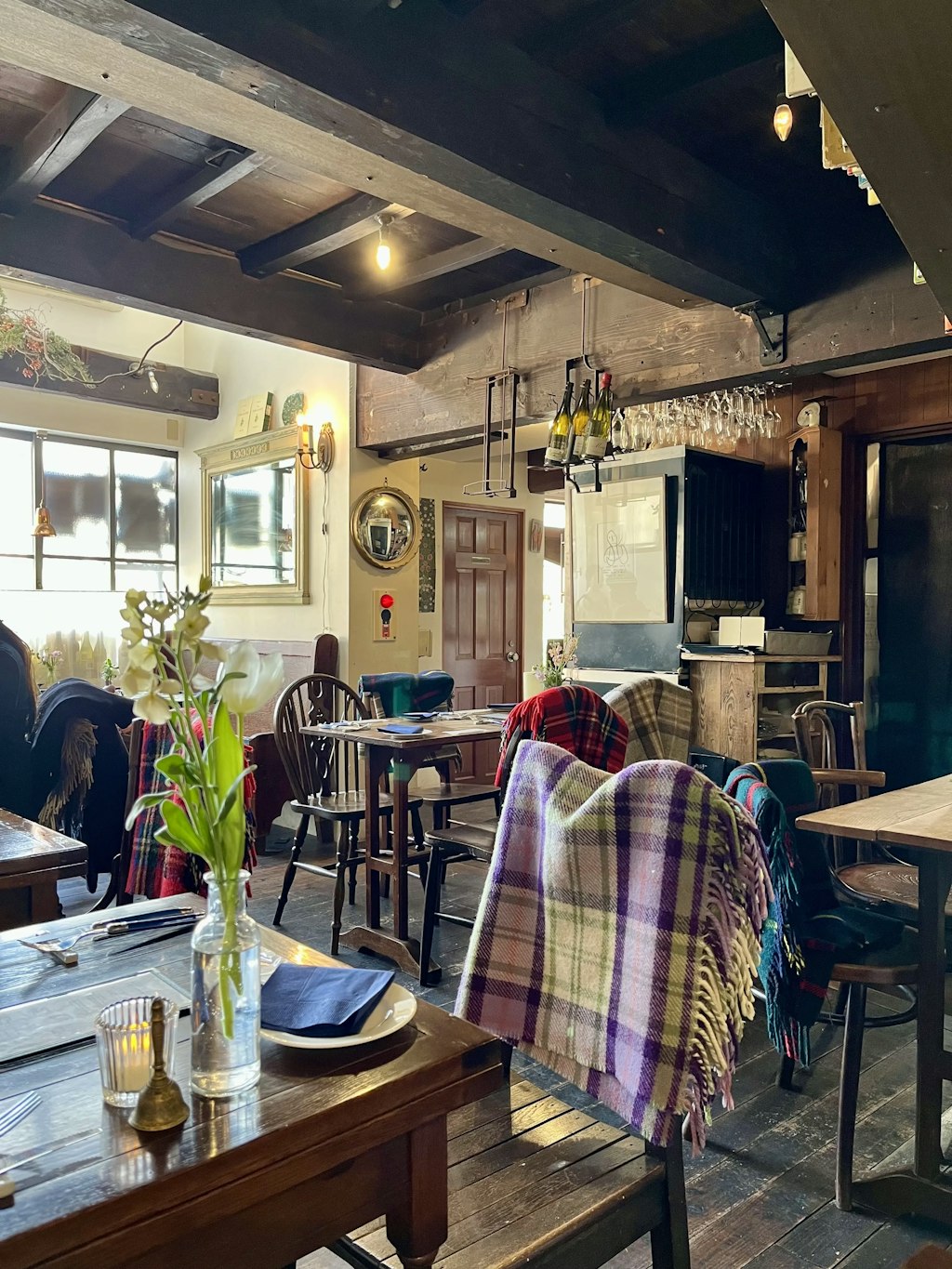
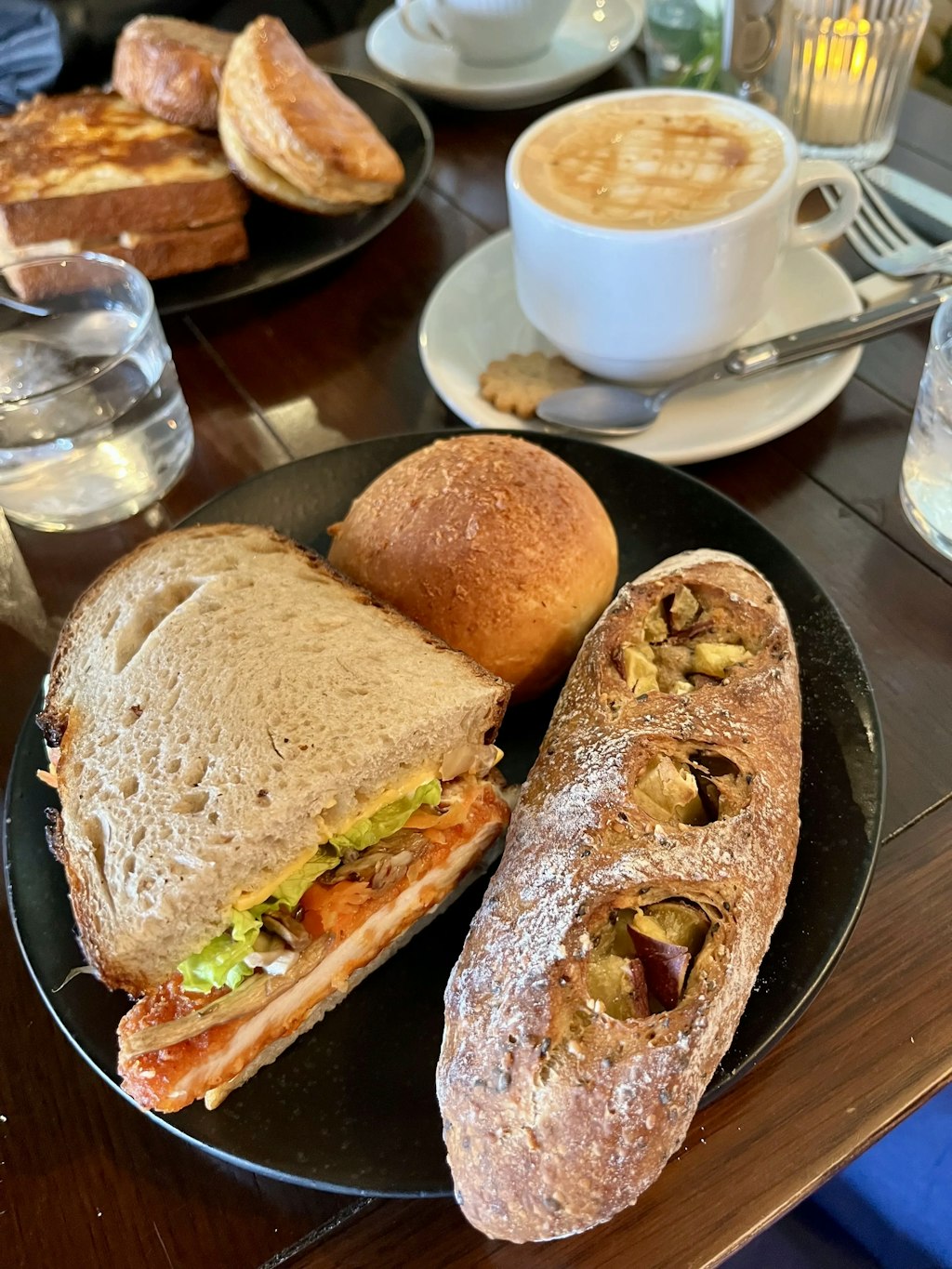
Kanazawa Terroir (Japanese: 金澤テロワール)
*This restaurant also serves dinner. I wanted to go for dinner too, but this time I went for lunch.
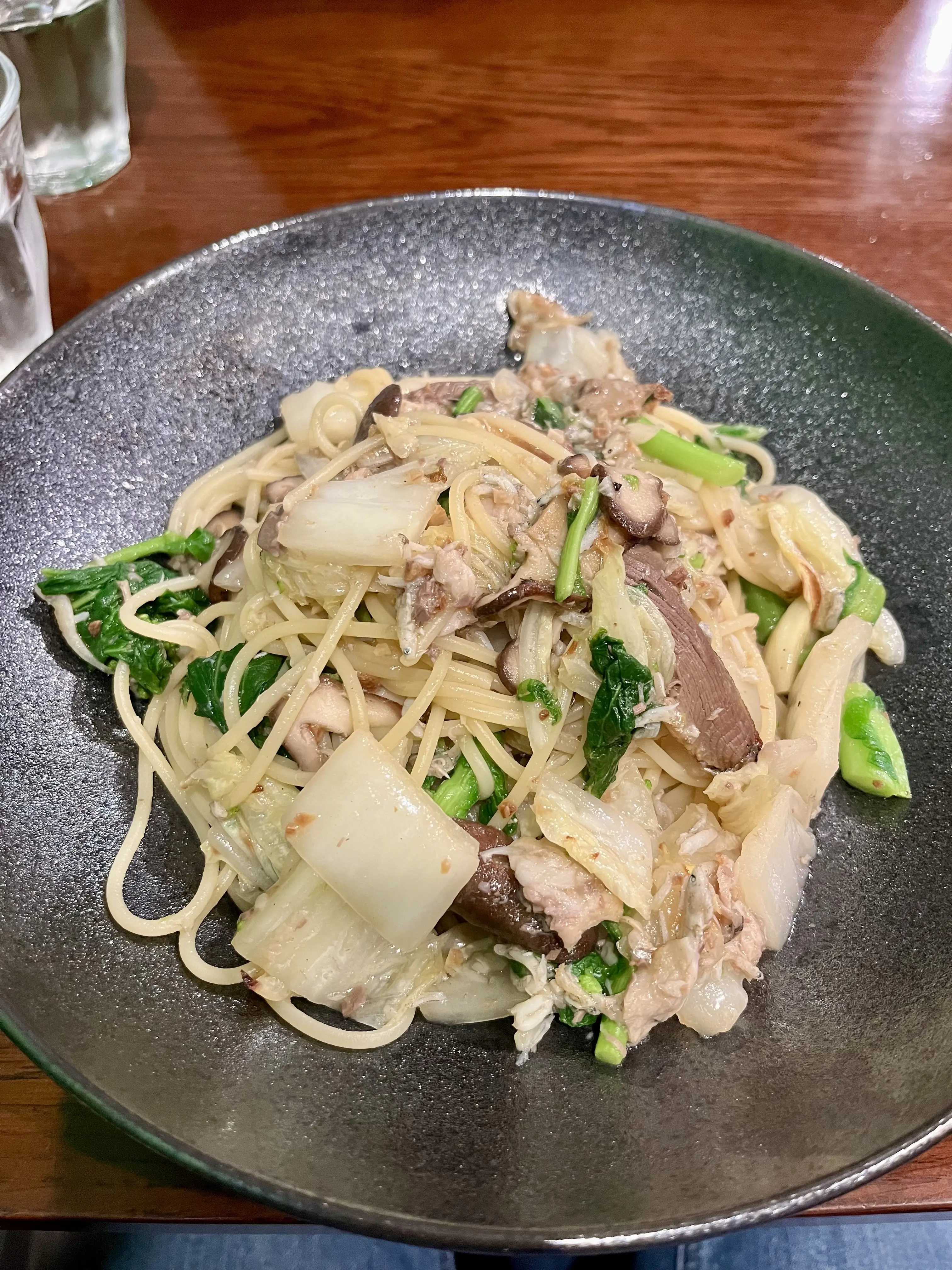
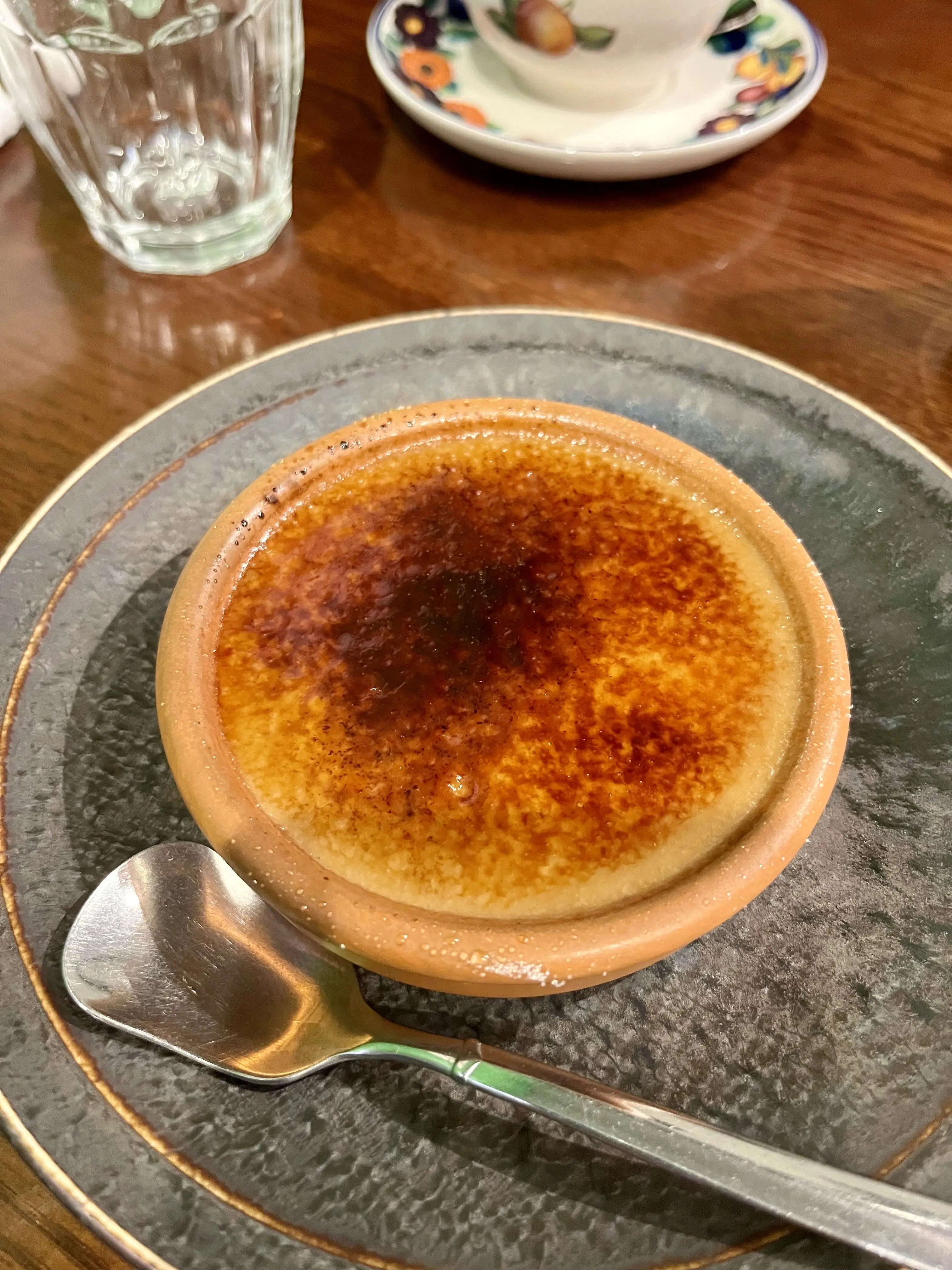
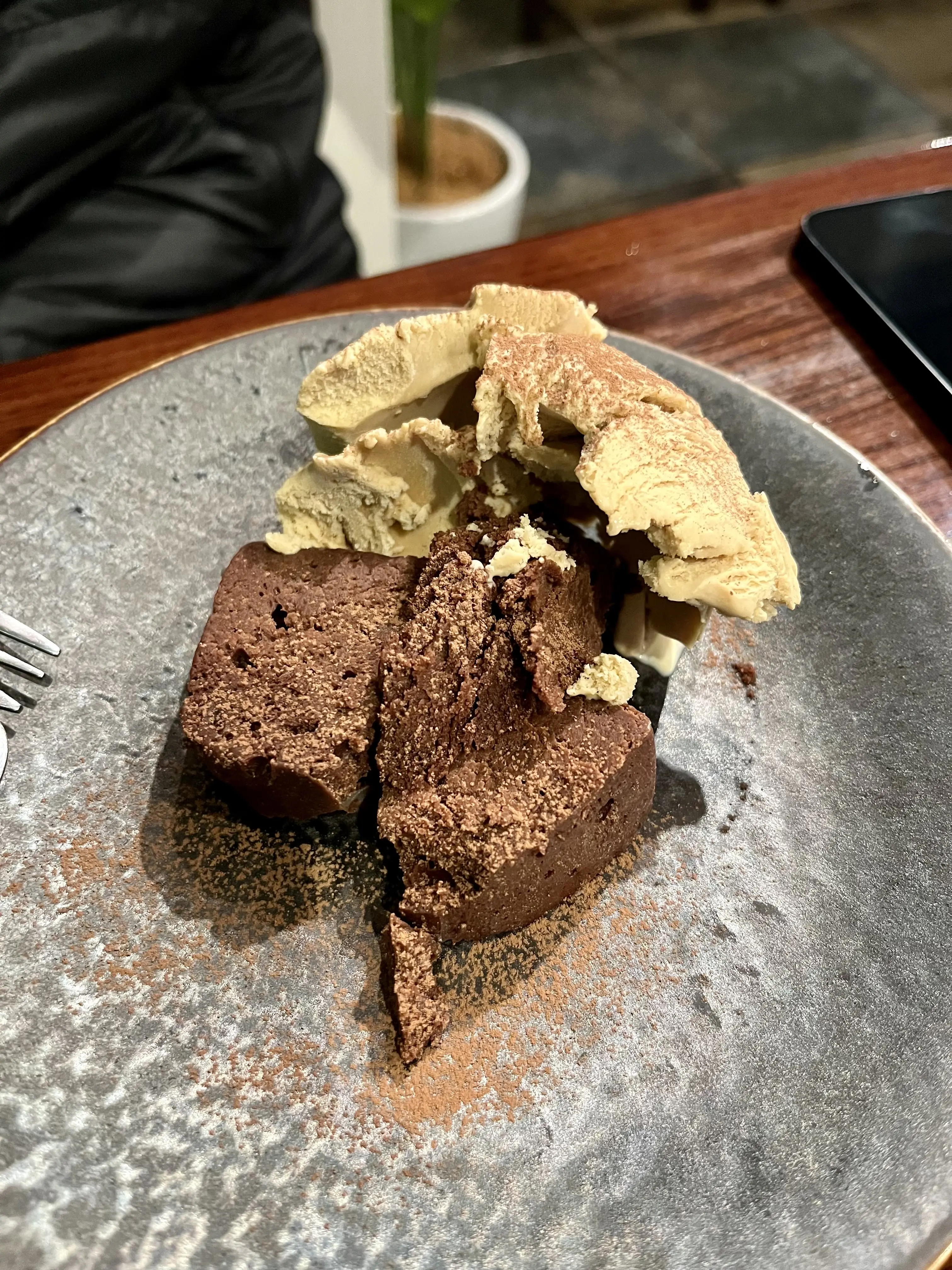
They have a lunch menu and a pasta lunch menu, and it's an exquisite French restaurant that uses seasonal and local ingredients depending on the time.
The pasta was very delicious, and the dessert was also very tasty. I looked at the dinner menu and it seemed like everything was made with great care and looked delicious, so of course lunch is wonderful, but I think dinner would also be a lovely experience!
Gyosai-ya Anto Branch (Japanese: 魚菜屋 あんと店)
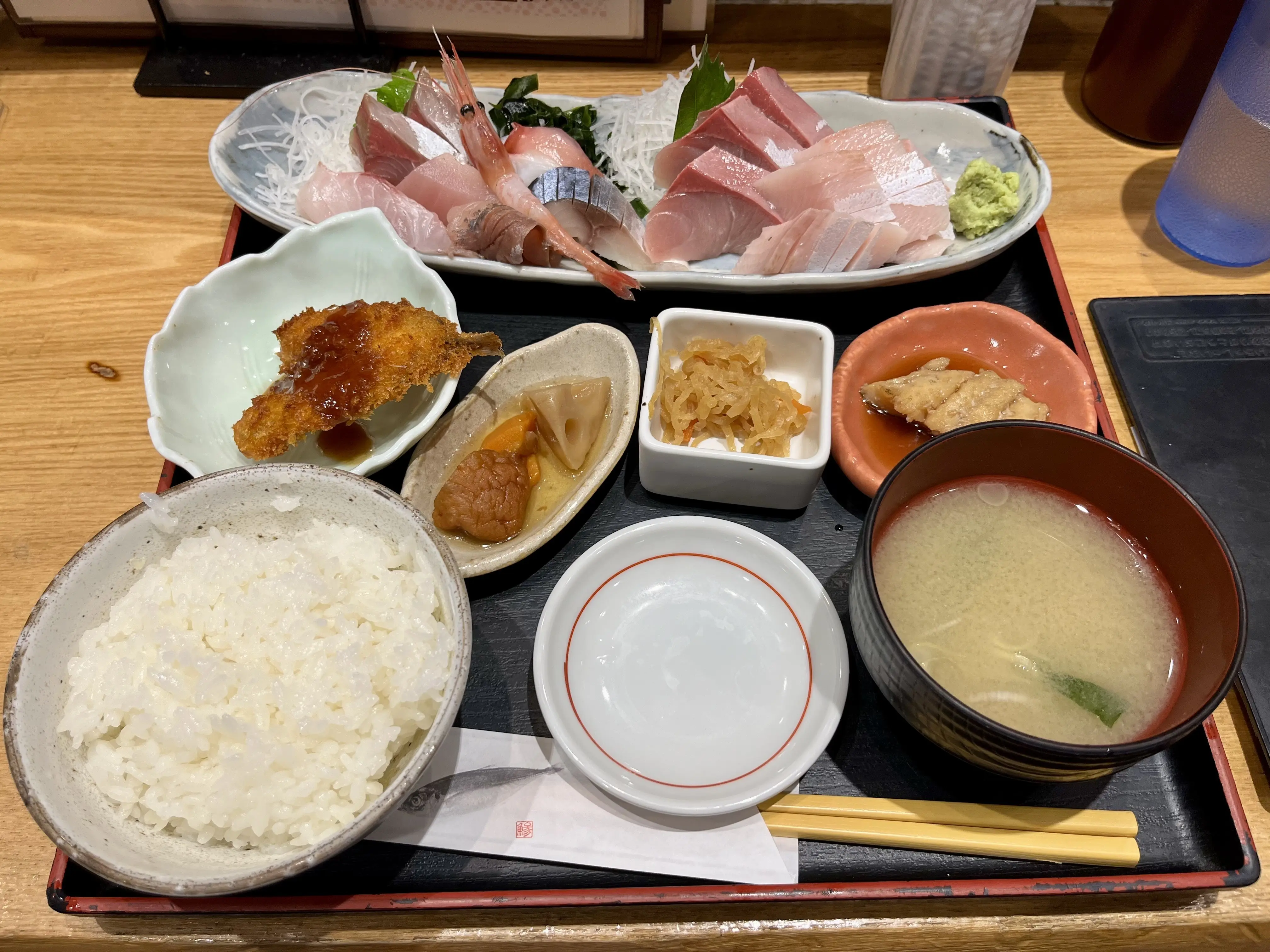
A restaurant inside Kanazawa Station where you can have lunch centered on fish and sashimi.
You can enjoy delicious Hokuriku fish at a reasonable price of just over 1,000円, and I recommend it when you want to have a comforting Japanese set meal. They also have seafood bowls and tempura.
I was curious about the yellowtail sashimi that was listed separately from the lunch menu, so I added it.
And of course the set meal was delicious, but the yellowtail I added had just the right amount of fat and melted in my mouth, and I was completely captivated by Hokuriku's winter yellowtail...
I've always liked yellowtail and chose to eat it, but now whenever I go to Hokuriku, I've started frantically searching for yellowtail (lol)
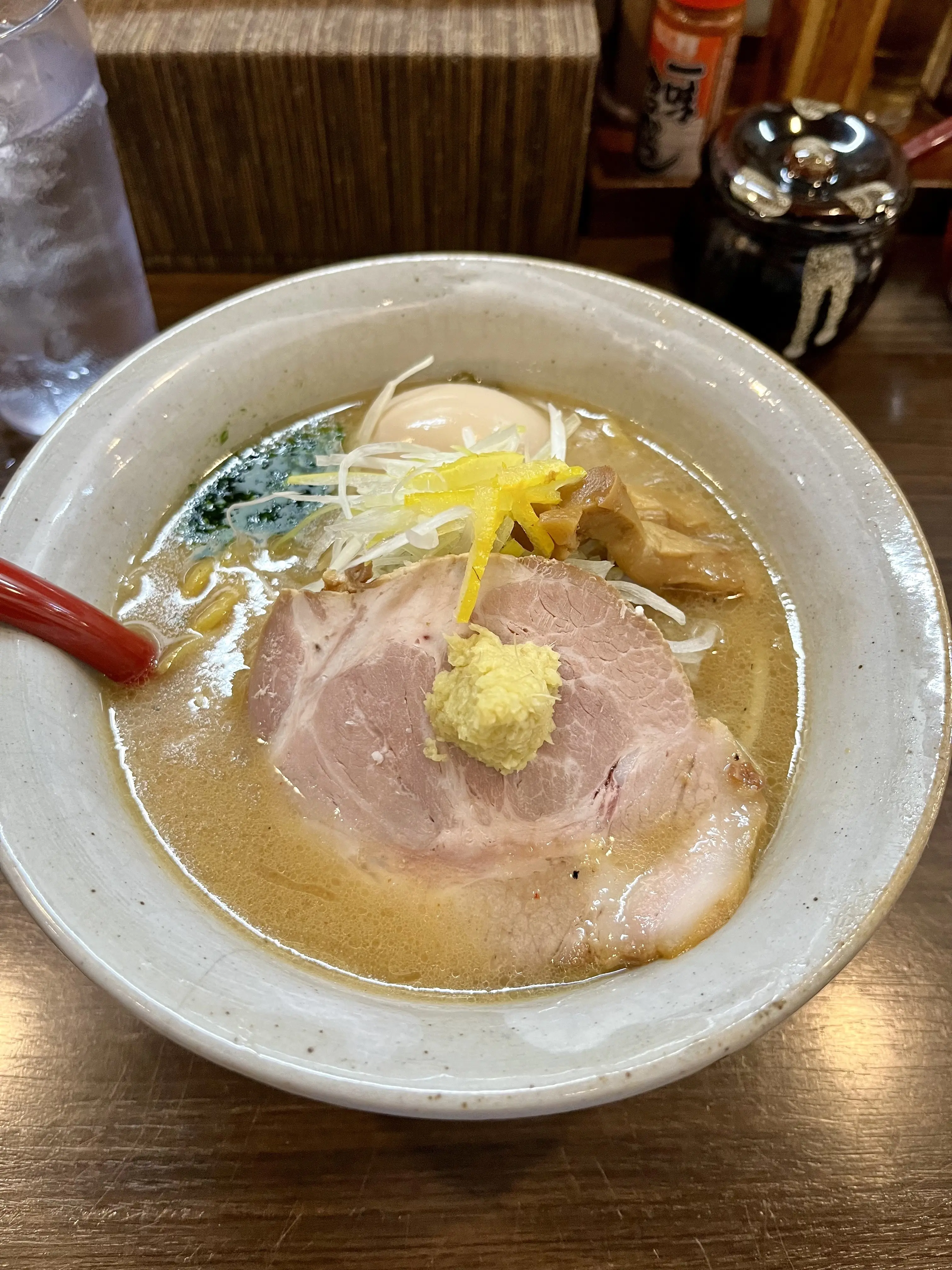
Menya Taiga (Japanese: 麺屋大河)
*This restaurant is also open in the evenings
This is a miso ramen shop located a 5-minute walk from Kanazawa Station.
There's always a line, and it's not the kind of place you can just walk into, but it's delicious and worth the wait.
Whenever I go to Kanazawa, I make sure to visit Menya Taiga, but since there's usually a wait, I recommend going when you have plenty of time!
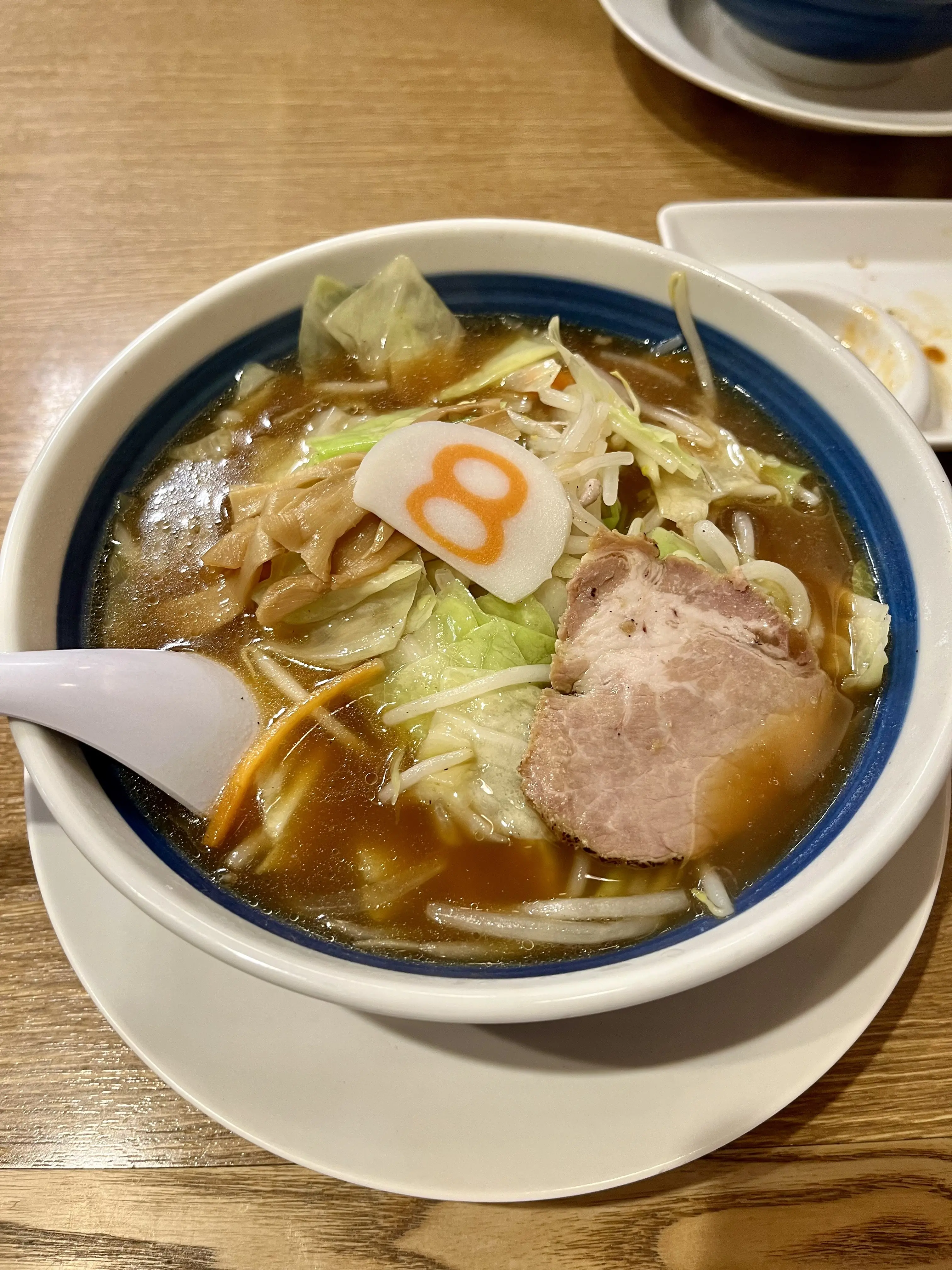
8ban Ramen (Japanese: 8番ラーメン)
This is a ramen chain that originated in Kanazawa. I ate at the Kanazawa Station location before boarding the shinkansen, but there seem to be shops all over the place.
They're famous for their vegetable ramen, which has a somewhat nostalgic feel to it. I recommend trying it once as a taste of local comfort food. I went with the gyoza set!
Shizenha Ramen Kagura (Japanese: 自然派ラーメン 神楽)
I really wanted to go here this time and made it all the way to the shop, but unfortunately it happened to be their day off, so I couldn't eat there...
But they make incredibly delicious-looking ramen, and they've been selected as one of the Top 100 Ramen Shops, so I'm definitely going next time.
It's a bit far from the main tourist area, so you'll need to take a bus or car to get there from the nearby tourist spots.
Kanazawa Recommended Dinners
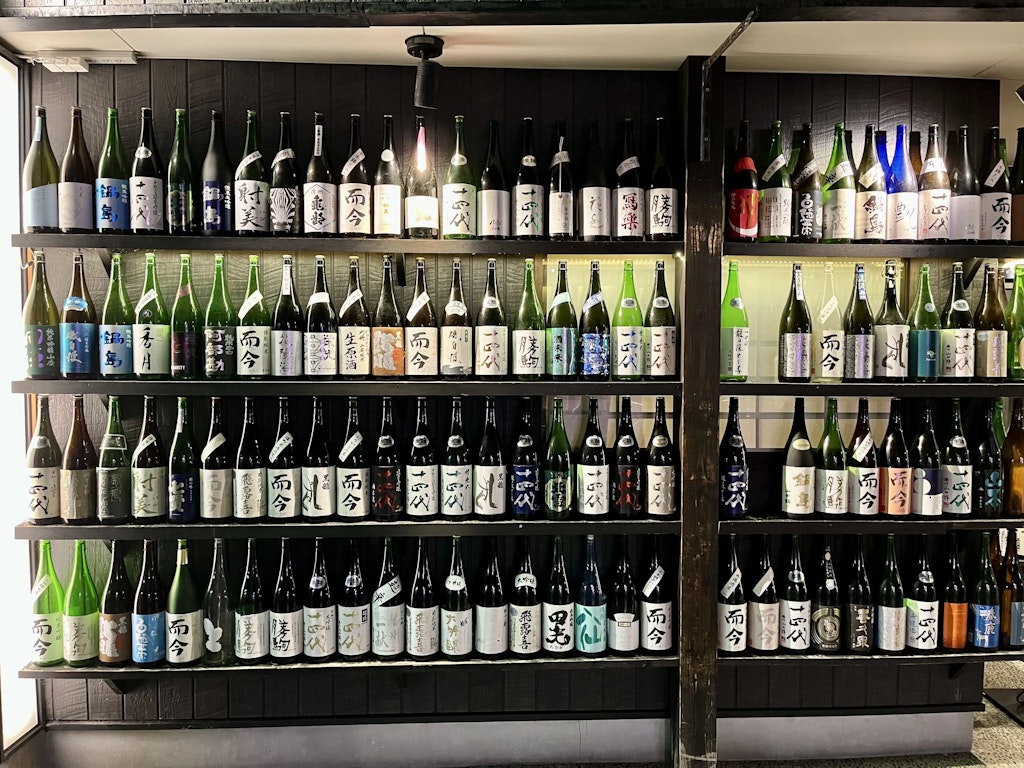
Shusui Daigo (Japanese: 酒粋 醍醐)
The entrance is lined with sake bottles, and it's absolutely breathtaking at first sight 🥺✨
The menu features famous sake like Dassai, Juyondai, and Jikon, along with delicious sake from all over the country.
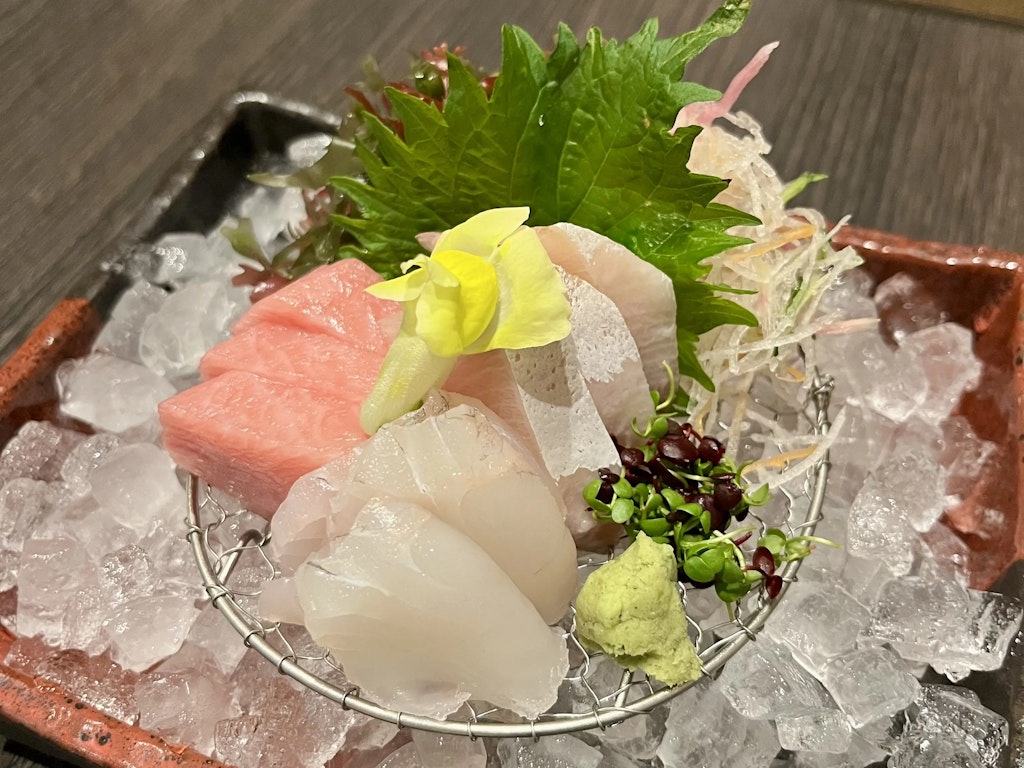
Enjoying delicious sashimi with delicious sake is truly exceptional! If you love sake, you must visit Daigo!
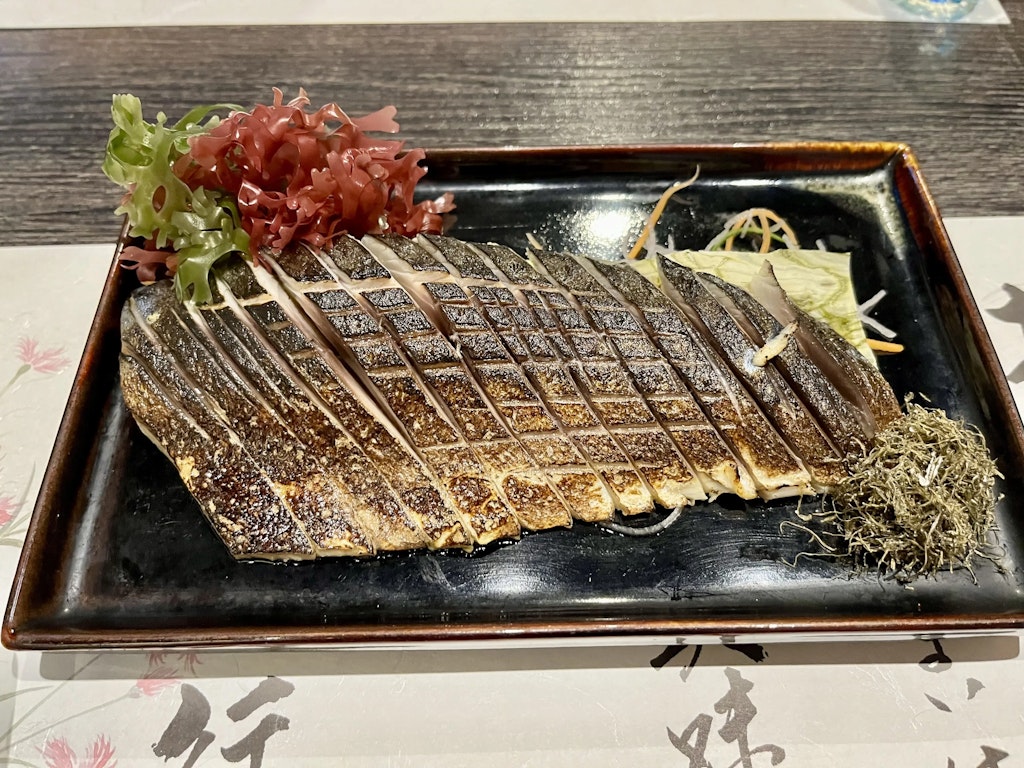
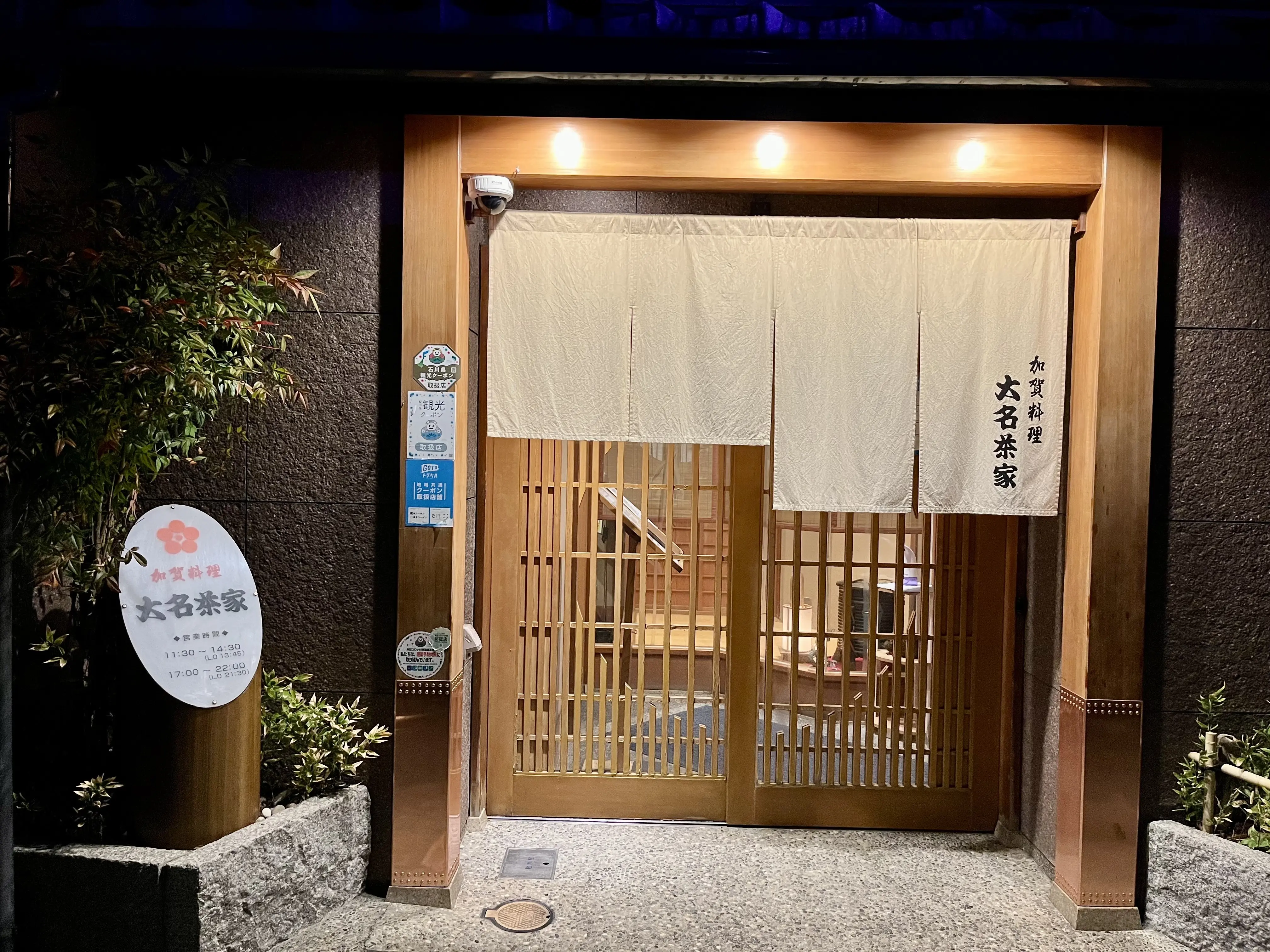
Kaga Cuisine Daimyojaya (Japanese: 加賀料理 大名茶屋)
Daimyojaya is a 5-minute walk from Kanazawa Station, where you can enjoy Kaga cuisine.
It's a bit pricey, but I highly recommend it for those who want to try traditional Kaga cuisine made with Kanazawa ingredients!
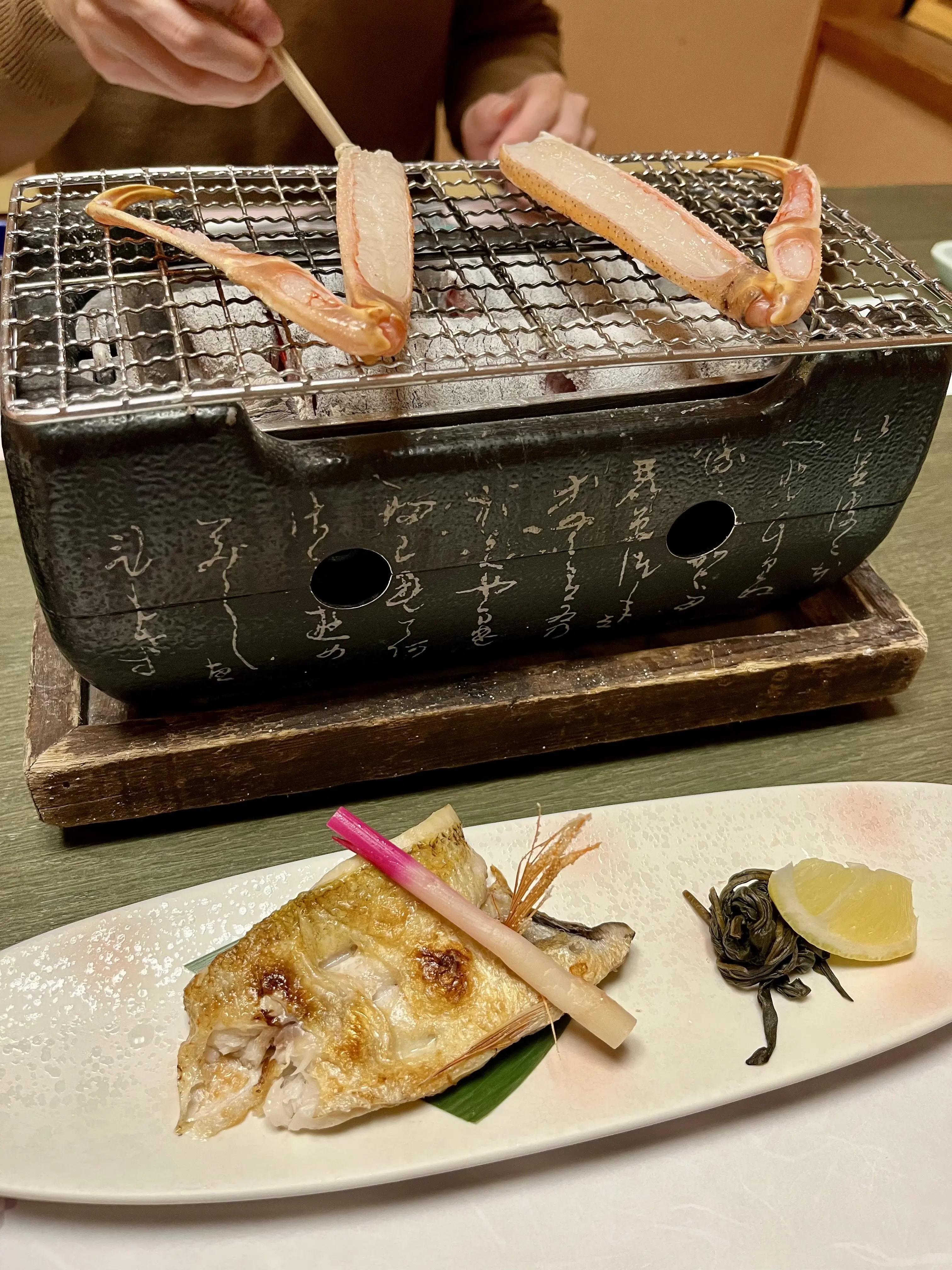
In winter, crab is in season, so we grilled it on a shichirin. It's not an exaggeration to say you can experience all of Kaga cuisine here—it's a wonderful restaurant deeply rooted in the local community, so I highly recommend it.
The Kaga Cuisine Daimyojaya homepage is here
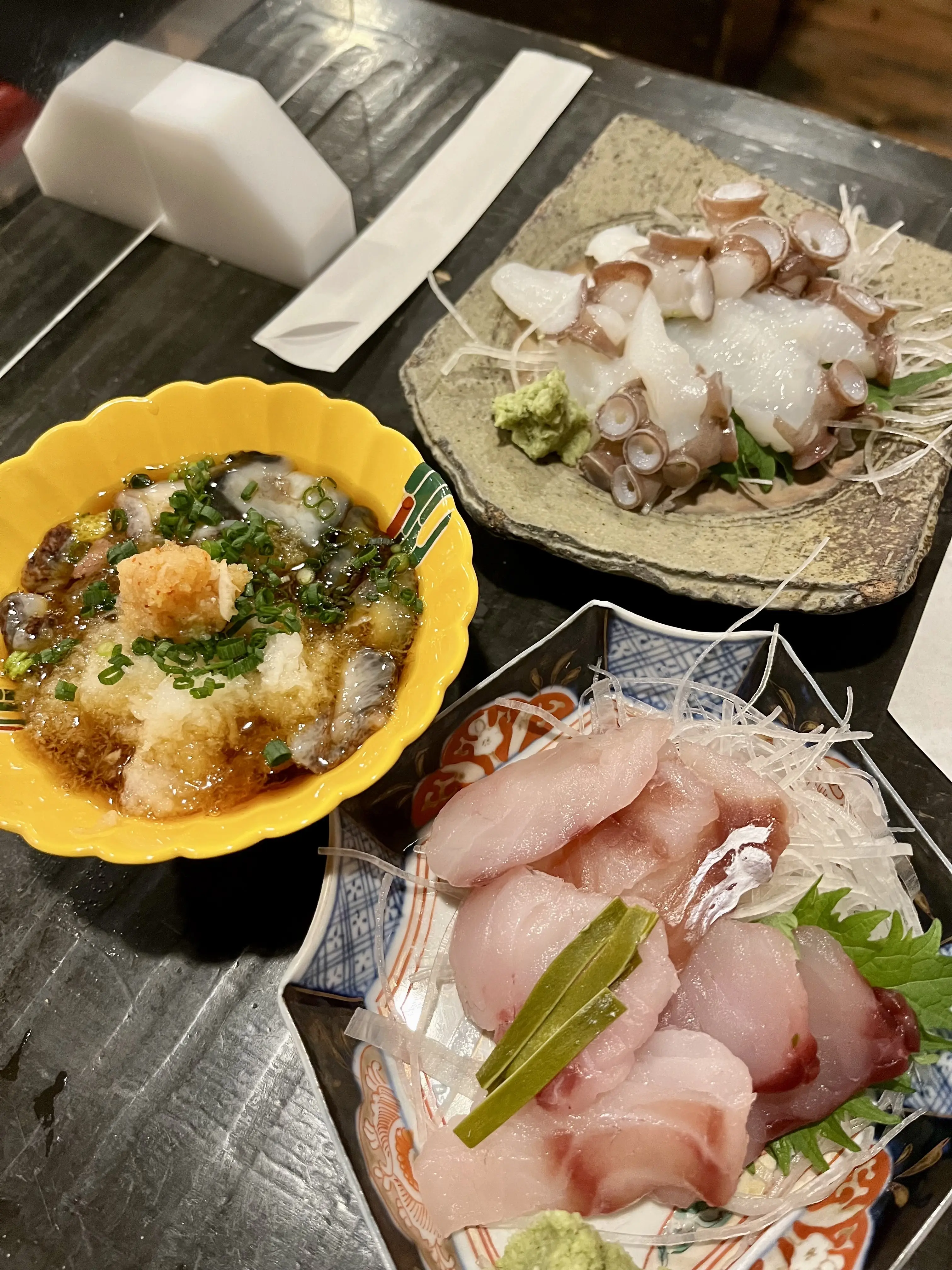
Sake and Heartfelt Cuisine Itaru (Japanese: 酒と人情料理 いたる)
This is also an izakaya where you can eat delicious dishes made with ingredients from Ishikawa and the Hokuriku region.
The quality of the food is very high, and everything you order is completely satisfying.
Actually, there are so many delicious things that I can't choose from the menu (laughs).
I recommend it when you want to casually enjoy Kanazawa-style cuisine!
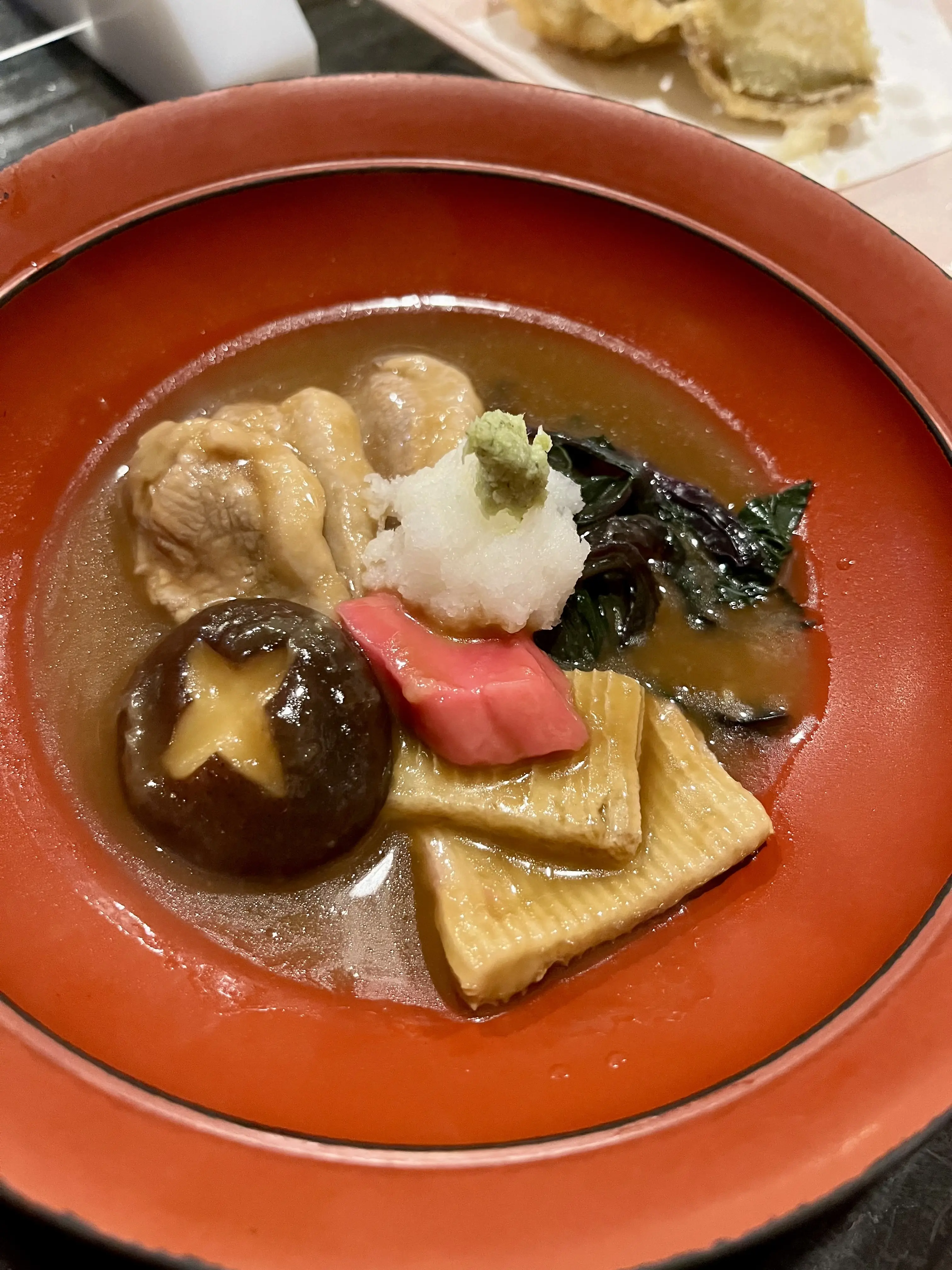
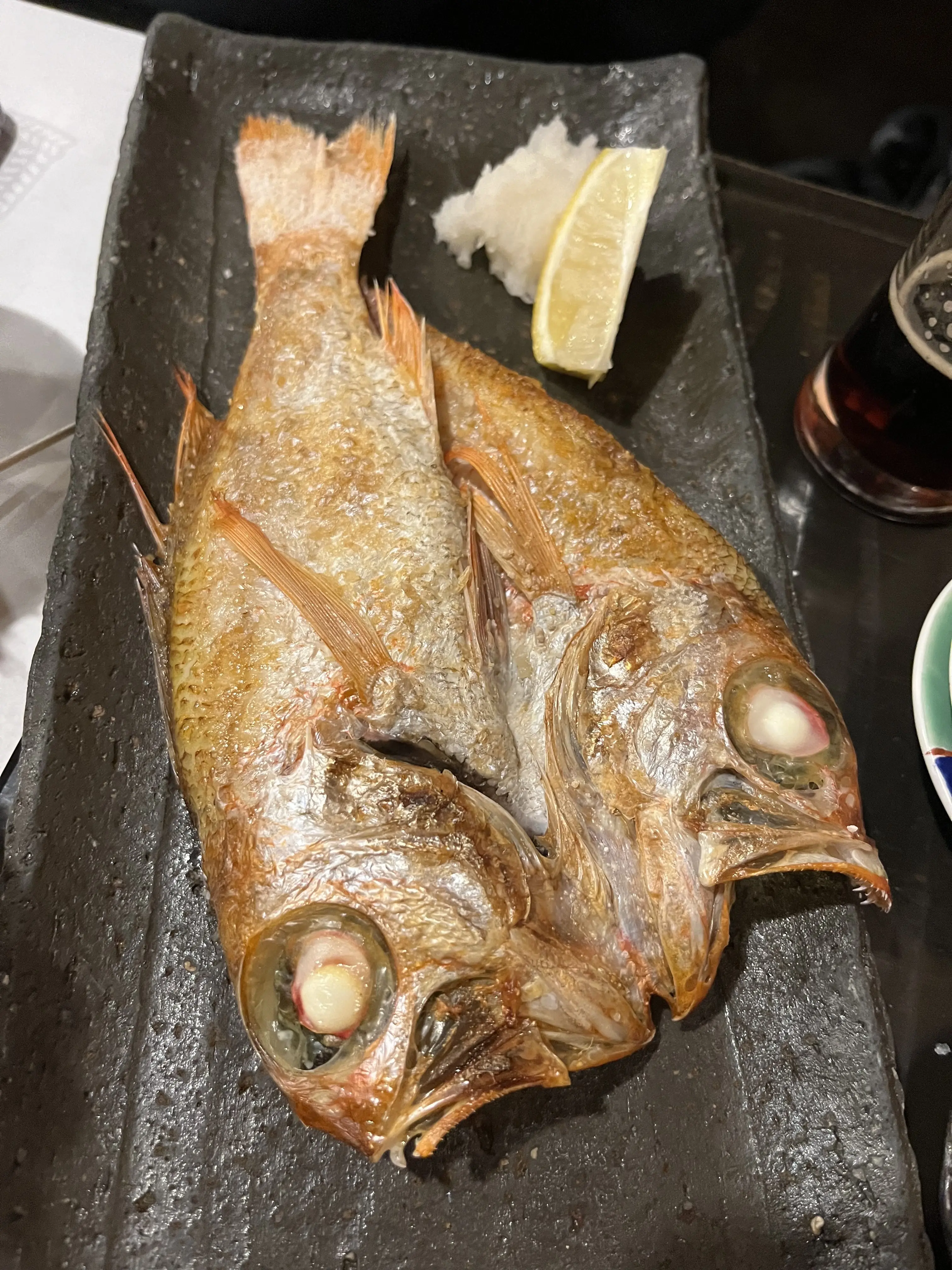
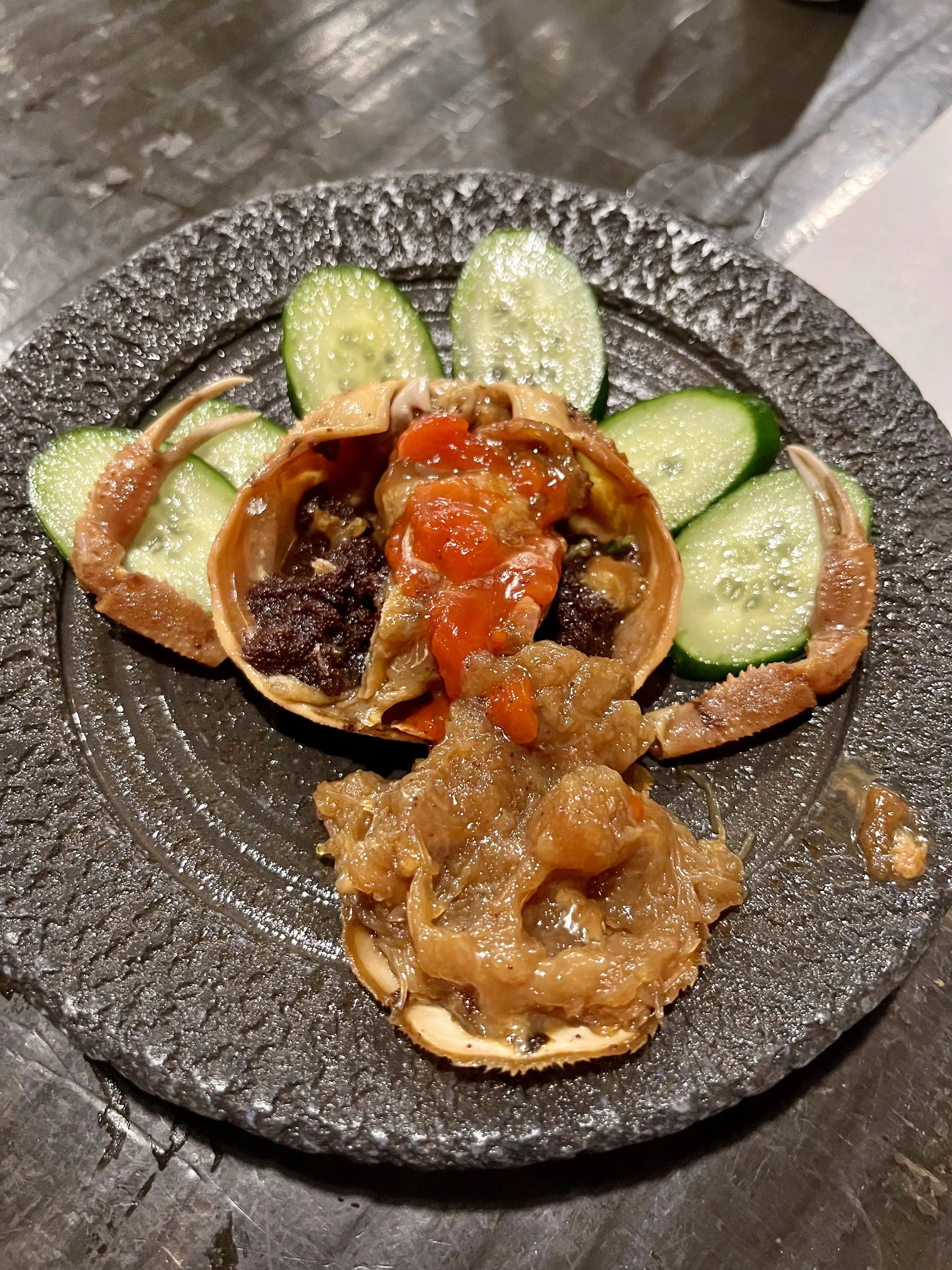
Miyuki (Kanazawa Oden) (Japanese: 三幸)
Miyuki, where you can enjoy oden, is truly delicious, and although I've been to Kanazawa many times, it's a restaurant I always visit.
Even when I can't go to Kanazawa, I sometimes think, "Ah, I want to eat Miyuki's oden"—that's how delicious it is.
This time too, I ordered so much that the staff asked, "Can you really eat all of this?" (laughs).
I understand the excitement when everything looks so delicious, but oden isn't going anywhere, so I recommend ordering an amount you can eat while it's still hot.
The crab oden "kani-men" that's only available in winter is truly exquisite and unforgettable, so if you're going to Kanazawa during the season when kani-men is available, you absolutely must try it.
Also, the potato fries are delicious.
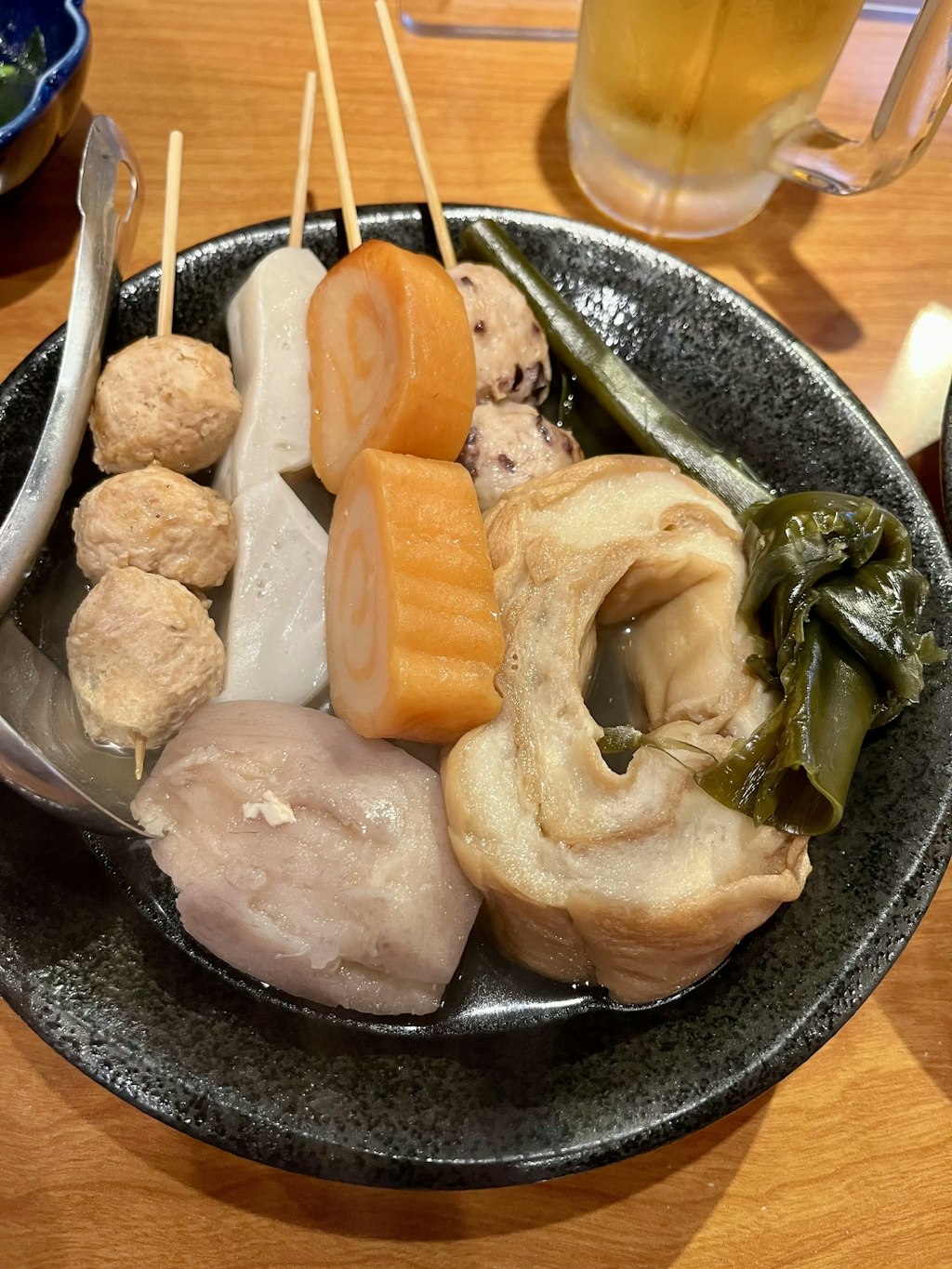
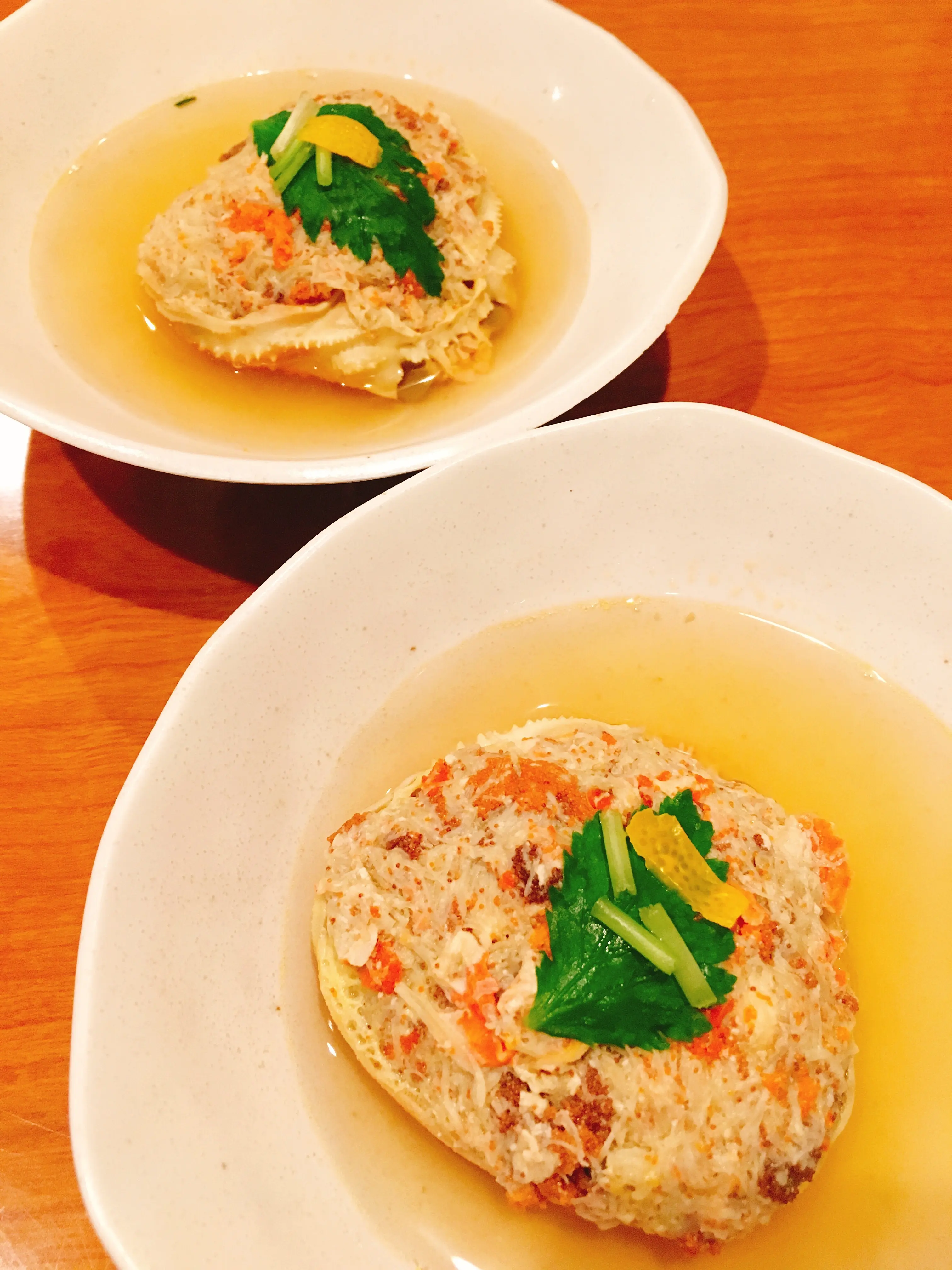
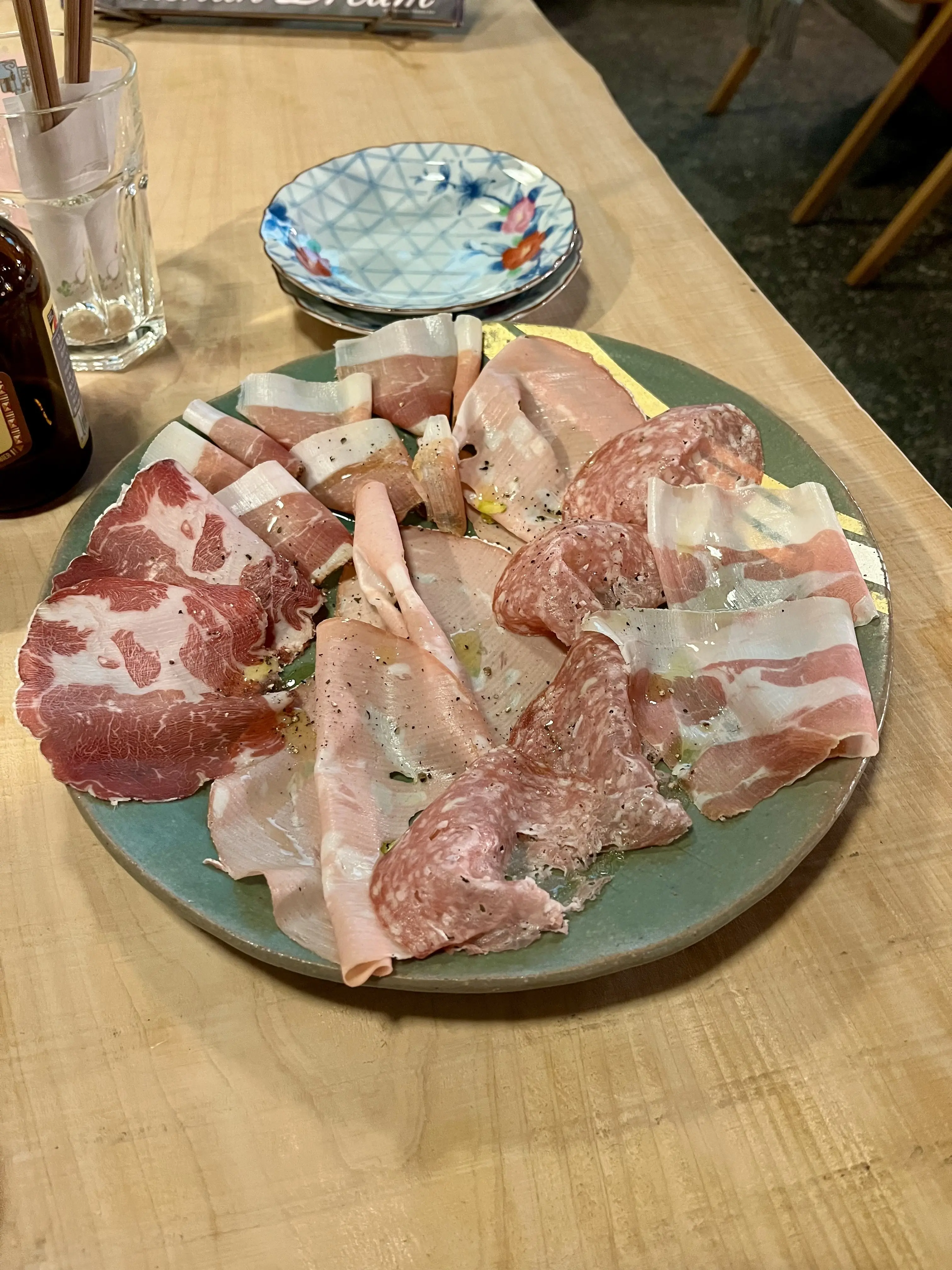
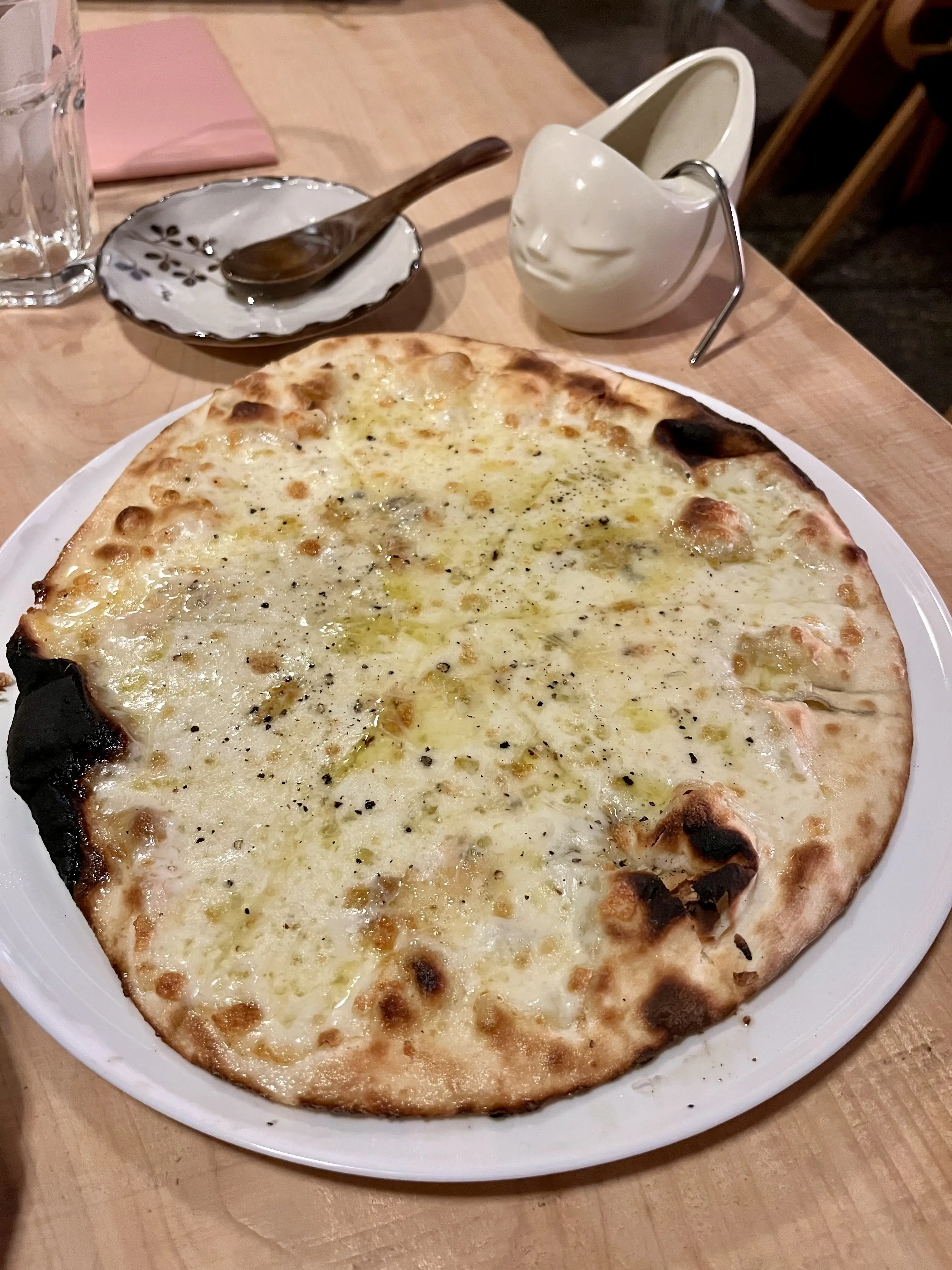
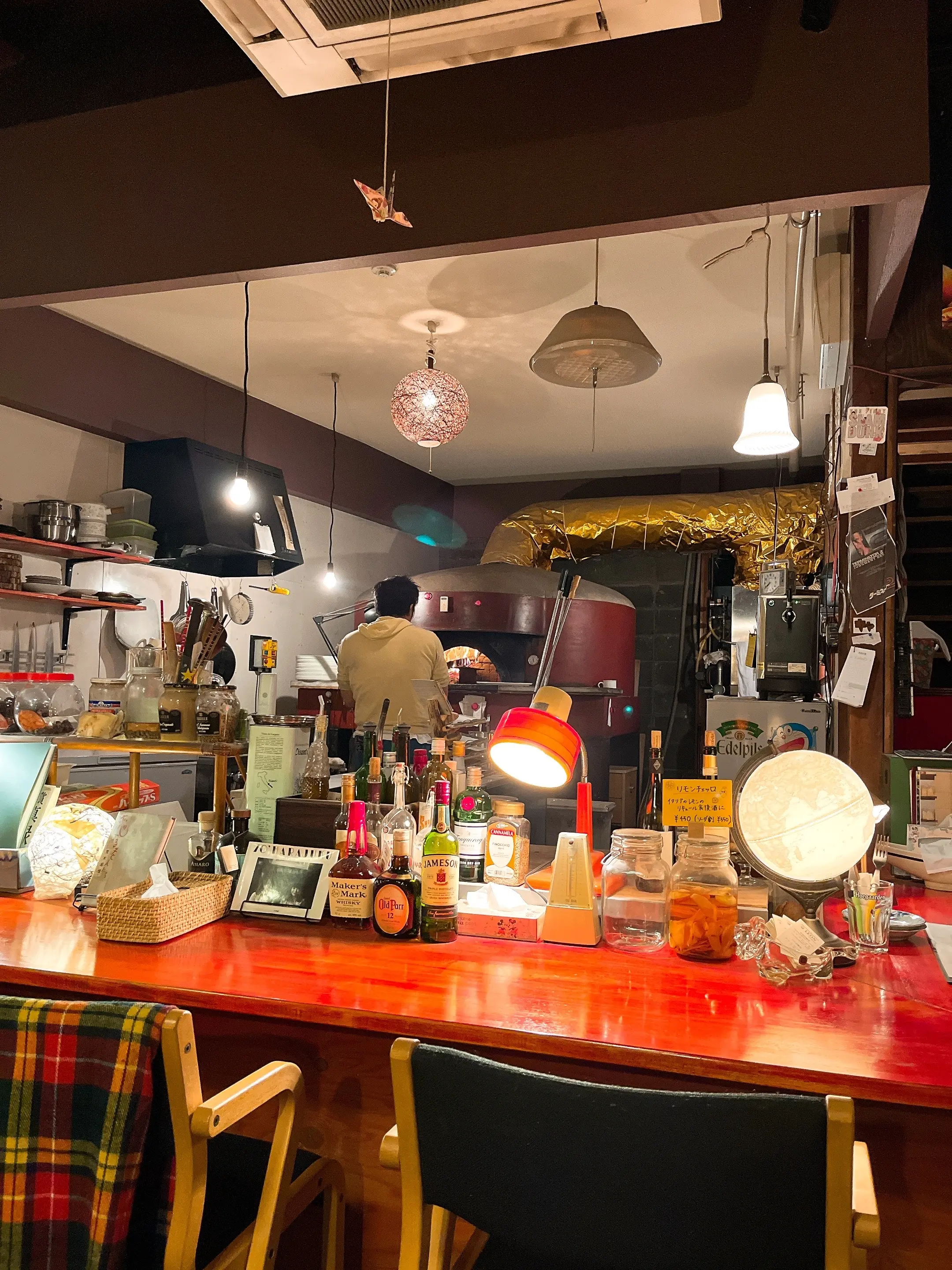
LEON
The most moving experience of this trip was at an Italian restaurant called LEON, which is housed in a renovated traditional house.
The atmosphere inside was wonderful, and I had ordered a course, but every dish that came out was so delicious that I went through the course twice.
The assorted ham platter was delicious, and above all, the thin-crust pizza was so incredibly delicious that it ranks among the best pizzas I've ever had.
The wine pairing was also very delicious, and it was a memorable restaurant that made me vow to return to Kanazawa just for LEON.
I don't think this emotion can be conveyed without experiencing it yourself, so please visit the restaurant.
Noto Peninsula Tourist Attractions
How to Get from Kanazawa to the Noto Peninsula
I rented a car near Kanazawa Station and drove there. It takes just over an hour by car from Kanazawa Station to Wakura Onsen.
Trains are also available, so going by train is a good option, and there are places you can stop at while driving, like Chirihama Nagisa Driveway (Japanese: 千里浜なぎさドライブウェイ), so going by car is also a good choice.
If you really want to fully enjoy the Noto Peninsula, I recommend a car for its flexibility and convenience.
Wakura Onsen Notoraku
I drove through the snow with the rough Sea of Japan beside me after finishing work on a weekday evening, so I arrived a bit late, but I have a strong memory of how warmly the staff welcomed me.
The onsen was absolutely wonderful, and the hotel was clean and comfortable—I felt so refreshed.
It was so lovely and memorable that I had them take a photo of me at the entrance when I checked out. I recommend this inn for its homey atmosphere.
Wakura Onsen Kagaya
*Due to the 2024 Noto Peninsula Earthquake, as of August 2025 when this article was written, Kagaya is temporarily closed. It may not be possible to stay there in the same form as when I visited, but it was such a wonderful experience that remains in my heart, so I'd like to share it here with my hopes for their recovery.
Kagaya's hospitality is said to be the best in Japan, and it truly lives up to that reputation—I've never experienced such an abundance of omotenashi spirit before.
The moment I arrived at Kagaya, the nakai-san (room attendants) were lined up beautifully in a row at the entrance, and they all bowed in unison to welcome us. I got goosebumps at that very moment.
Having worked at a hotel myself, I could instantly tell how much effort they put into their meticulous service—it was a moving experience.
The facility itself is very spacious and gorgeous, with not only luxurious bars and large gift shops to keep guests entertained, but also national treasure-level artworks displayed throughout the building—the facility itself was like an art museum.
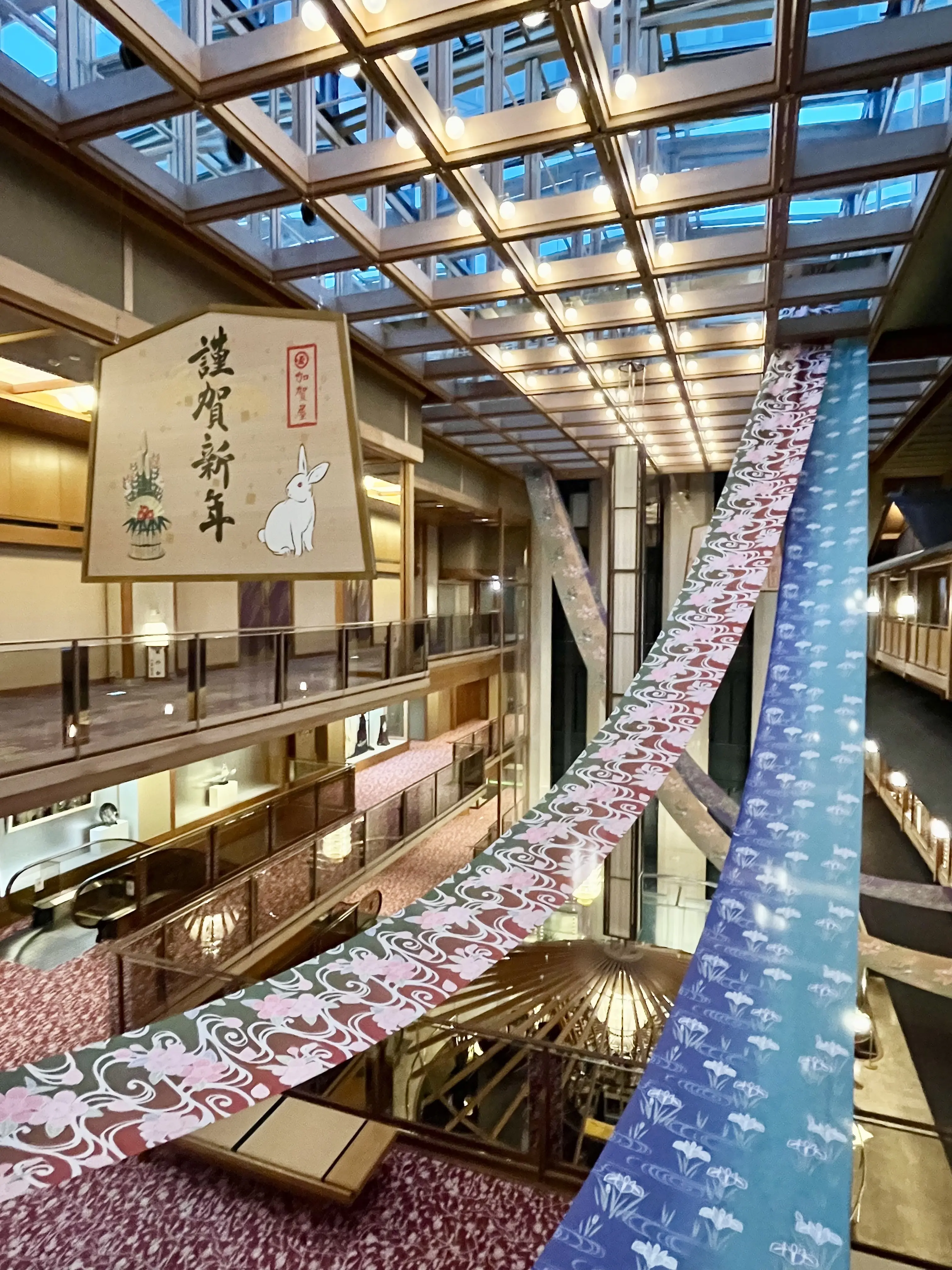
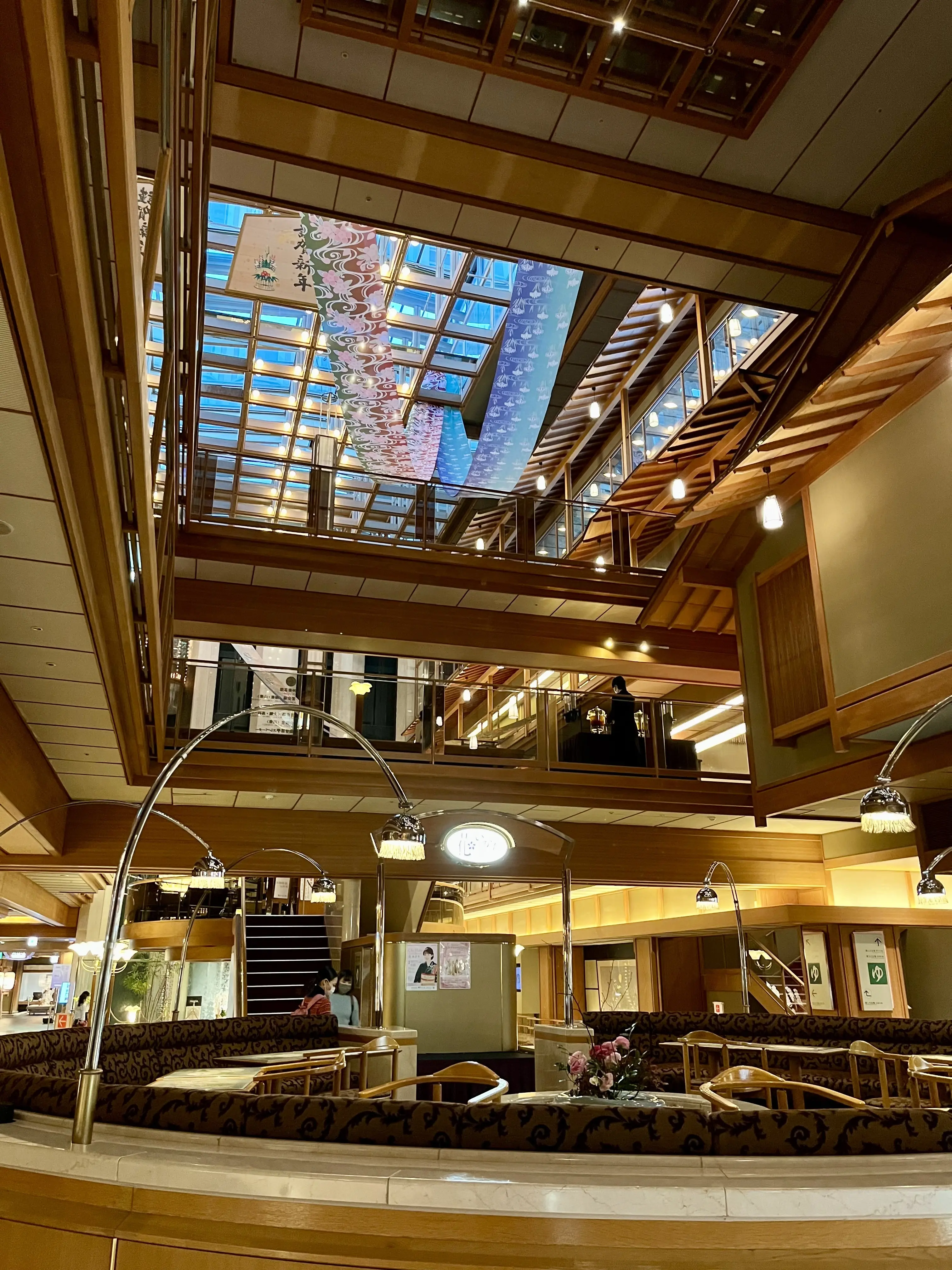
Both breakfast and dinner were served in our room, with the nakai-san providing attentive service each time.
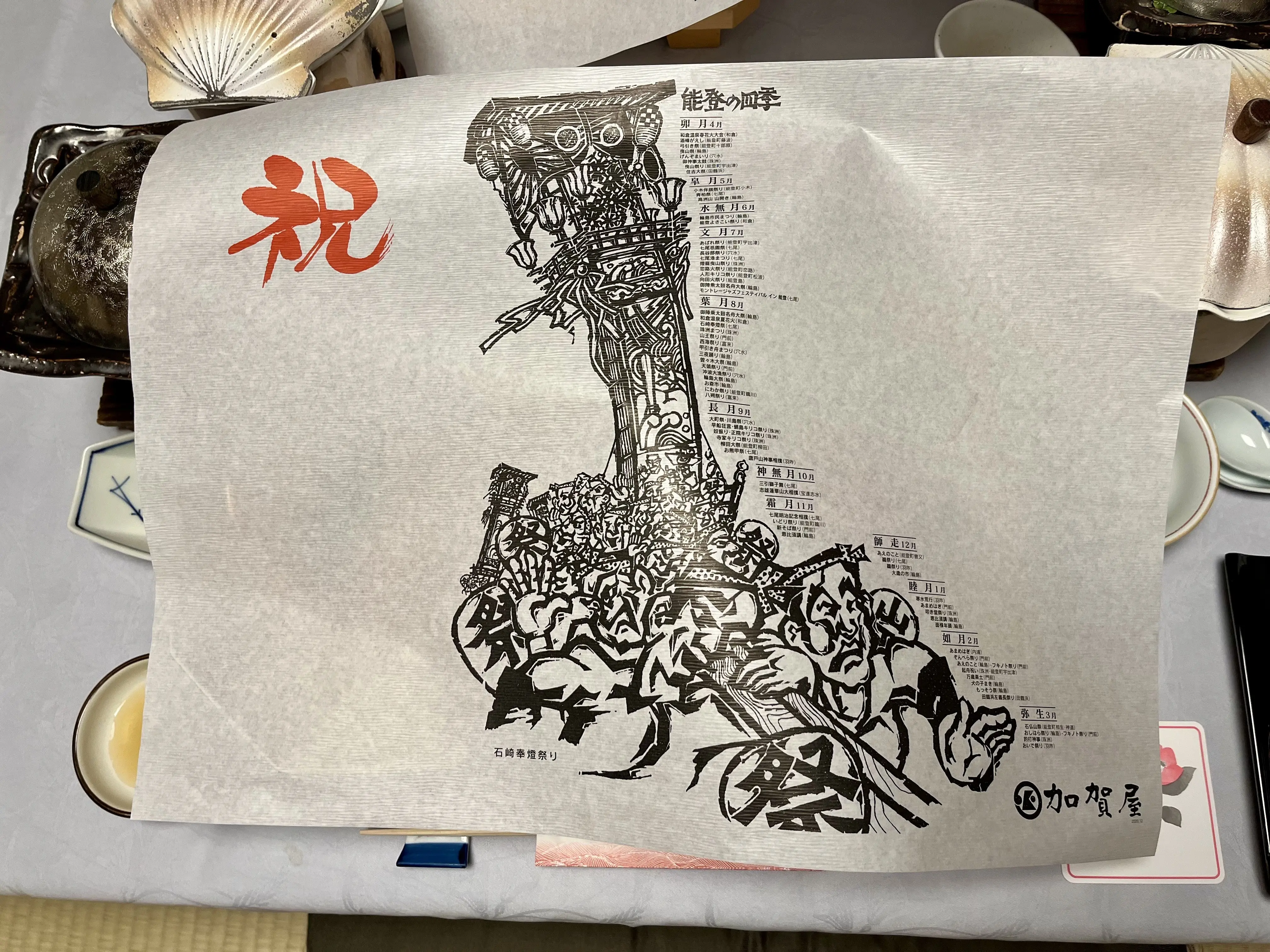
I looked at a paper placed on top of the meal that listed Noto's festivals and events, and was so impressed by how many events there were that I took that paper home with me and still treasure it to this day.
The meals were kaiseki cuisine using Noto ingredients including crab and sashimi, and since they carefully explained each dish, I could savor them while imagining the story behind each one.
The facility itself is very spacious with onsen, so I wandered around quite a bit, but our room also had an open-air bath attached, so we could relax in the room as well.
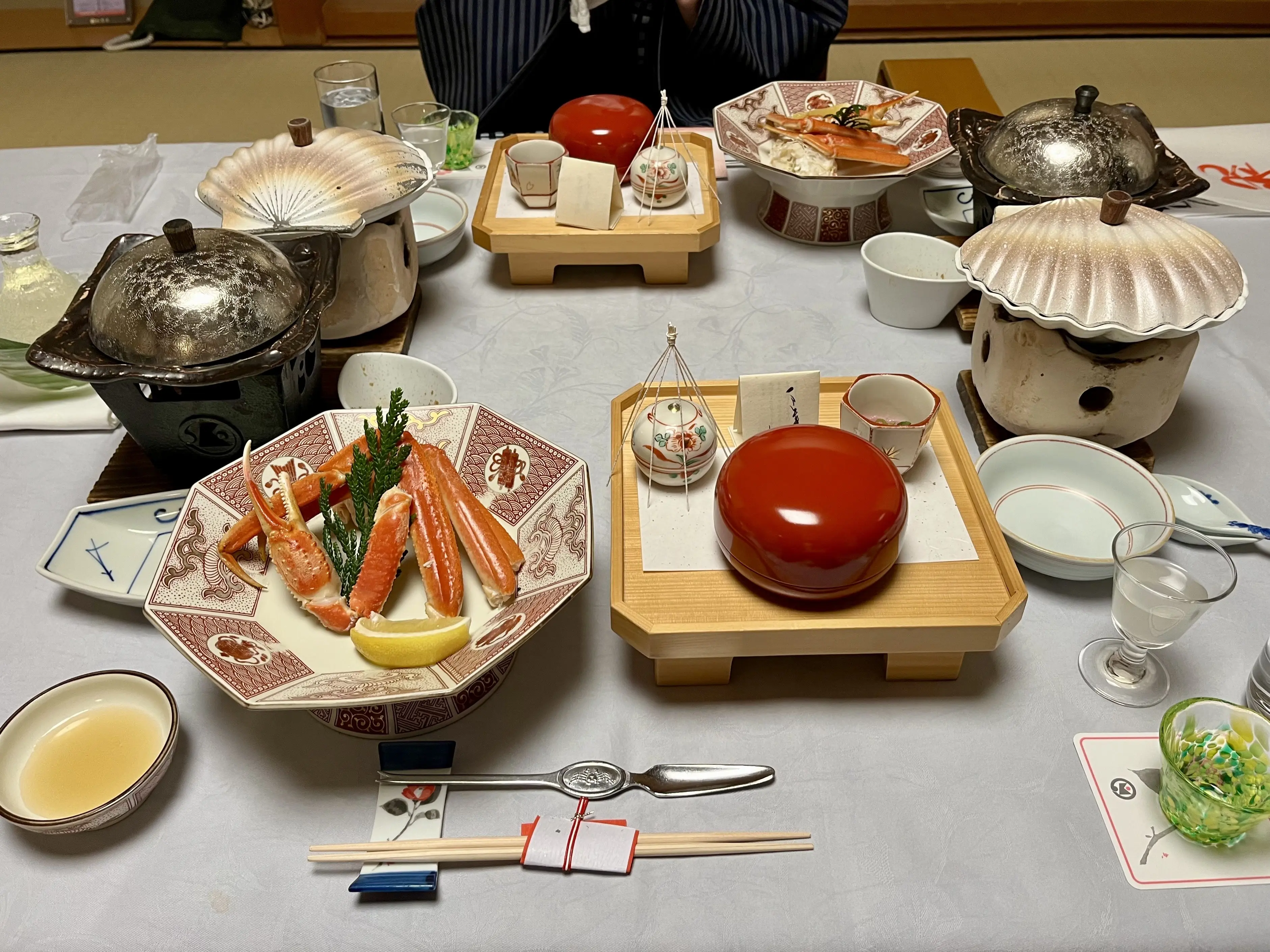
What moved me even more was that after checkout, while I was chatting with the nakai-san, our car had been moved to the front of the ryokan without us noticing, and when we thought "okay, let's head home," everything was already perfectly prepared for our departure.
To anticipate our needs by keeping track of our room number, our car, and our own movements requires truly meticulous attention to detail, and this experience really touched my heart.
And of course they saw us off with proper farewells, so from the moment we stepped onto Kagaya's grounds until the moment we left, we received the finest hospitality—it was truly moving.
I've vowed in my heart to definitely stay there again, so I'm cheering for them to be able to resume operations as soon as possible.
Kagaya's website is here
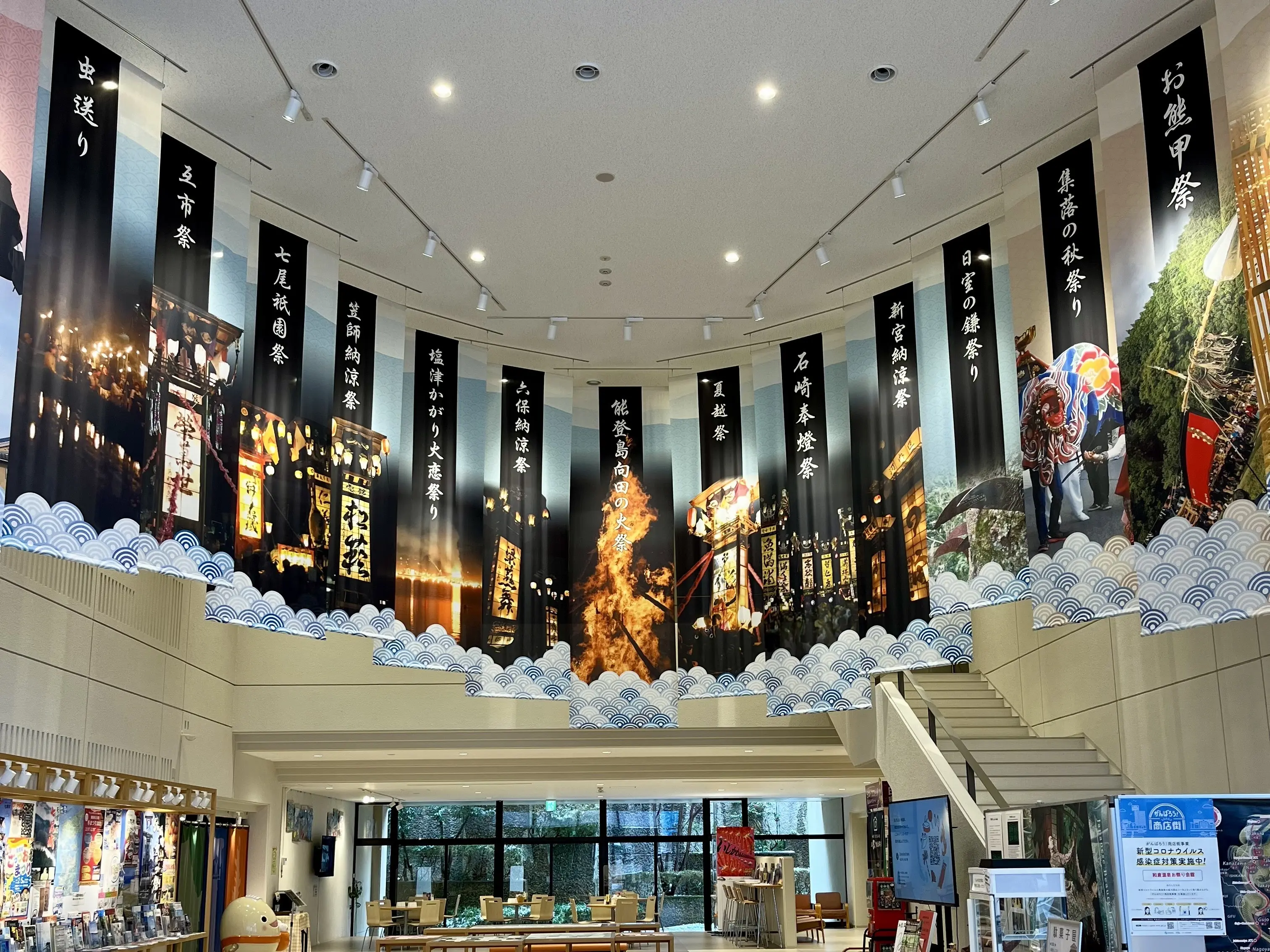
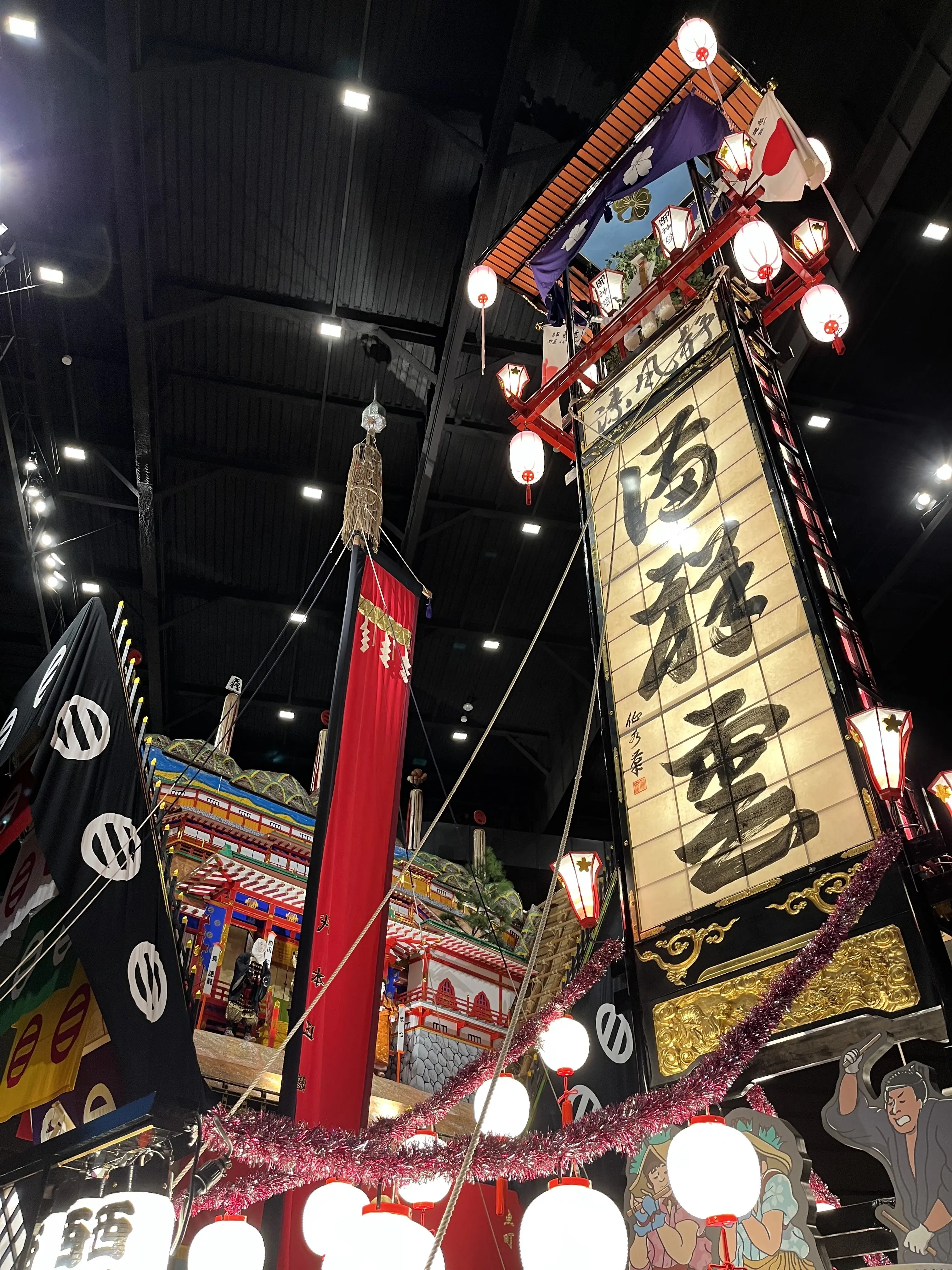
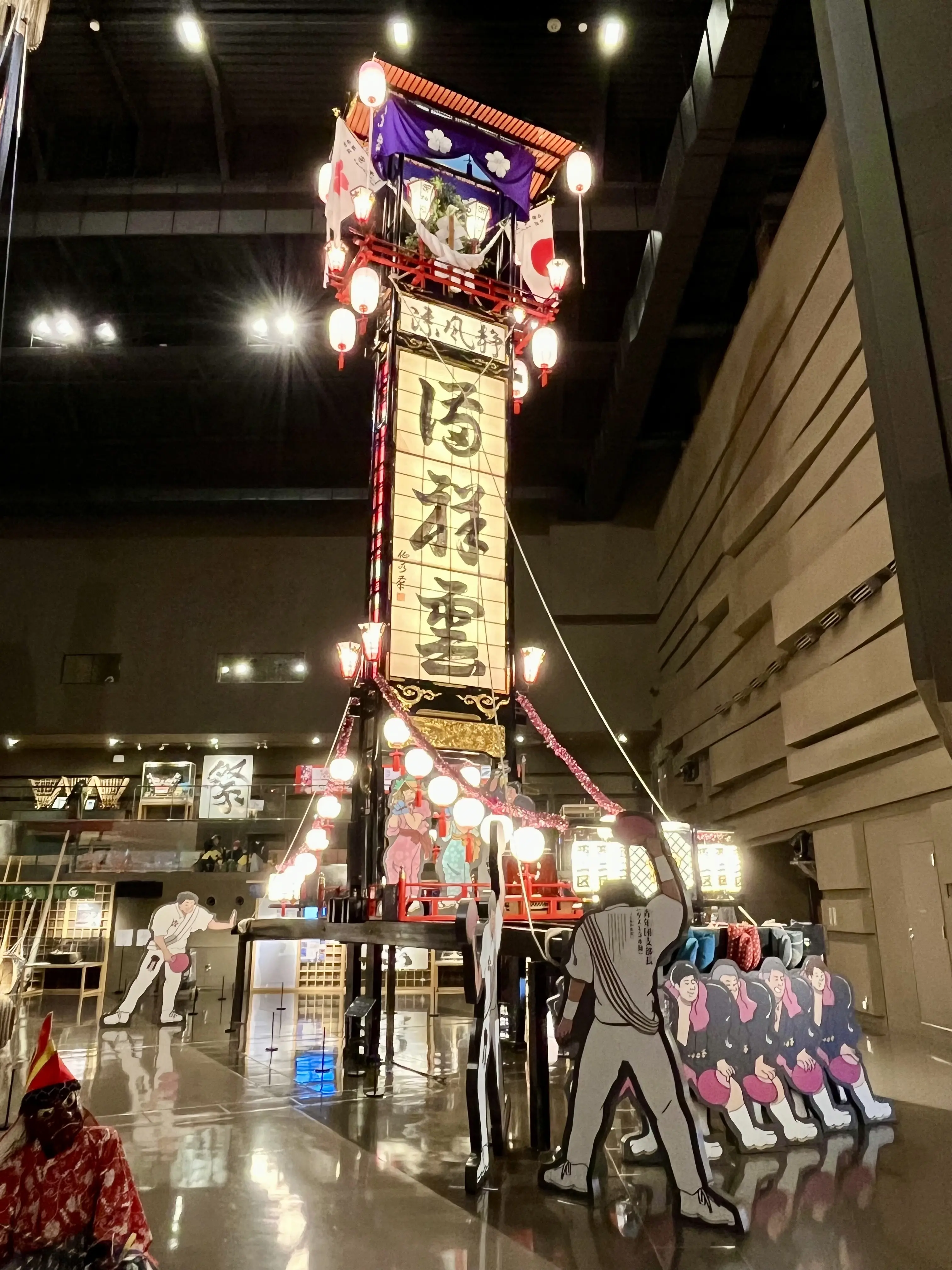
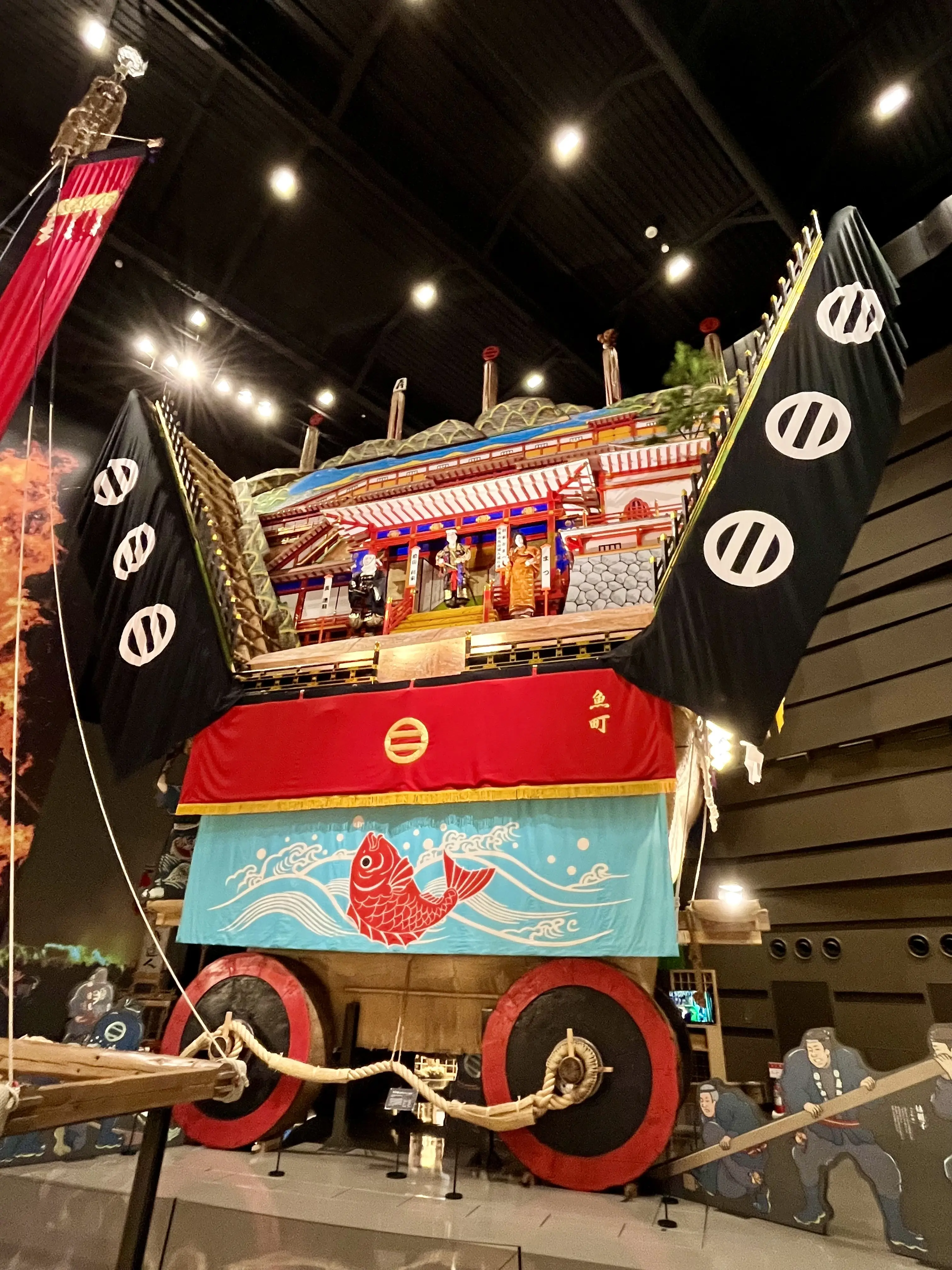
Wakura Onsen Festival Hall (Japanese: お祭り会館)
Nanao City (Japanese: 七尾市), where Wakura Onsen is located, has a culture of various unique festivals.
When you enter the hall, there's a spacious area with large festival floats and hōtō lanterns.
Scenes from the festivals are projected on large screens, and you can feel the excitement as if you're actually watching the festivals yourself.
When I visited, they were also holding hands-on sessions where you could experience the atmosphere of the festivals for a limited time.
I think it's quite rare to have so many unique festivals in the same region, and it made me really want to see them in person, so I definitely recommend visiting the festival hall or attending the actual festivals.
Next time I go, I want to time it with the festival season. I'm truly envious that there are so many traditional festivals like these.
Ishikawa Prefecture Notojima Glass Art Museum (Japanese: 石川県能登島ガラス美術館)
I wondered why glass art in Noto, but it seems there's this background story.
Originally having no connection to glass crafts, this island saw the interests of Ishikawa Prefecture, which wanted to stimulate the prefecture's traditional crafts, align with those of Notojima Town (which merged with one city and three towns in 2004 to become present-day Nanao City), which wanted to establish a tourism industry on the island. Together they planned a "Glass Craft Island" concept, and in 1984 (Showa 59), Notojima Glass Studio Co., Ltd. was invited to the island. Later, to convey the history and appeal of glass crafts and glass art, the basic concept for a glass art museum was established in 1989 (Heisei 1), and with the cooperation of Ishikawa Prefecture, the Glass Art Museum opened in July 1991 (Heisei 3).
(Source) Ishikawa Prefecture Notojima Glass Art Museum Homepage
Not only inside the museum, but artworks were also displayed around the outdoor facilities, making it enjoyable to walk around both inside and outside.
I'm not particularly good at going through art museums myself, so it didn't resonate deeply with me, but there were many intricate works that made me think "This is made of glass too?" which I found fascinating.
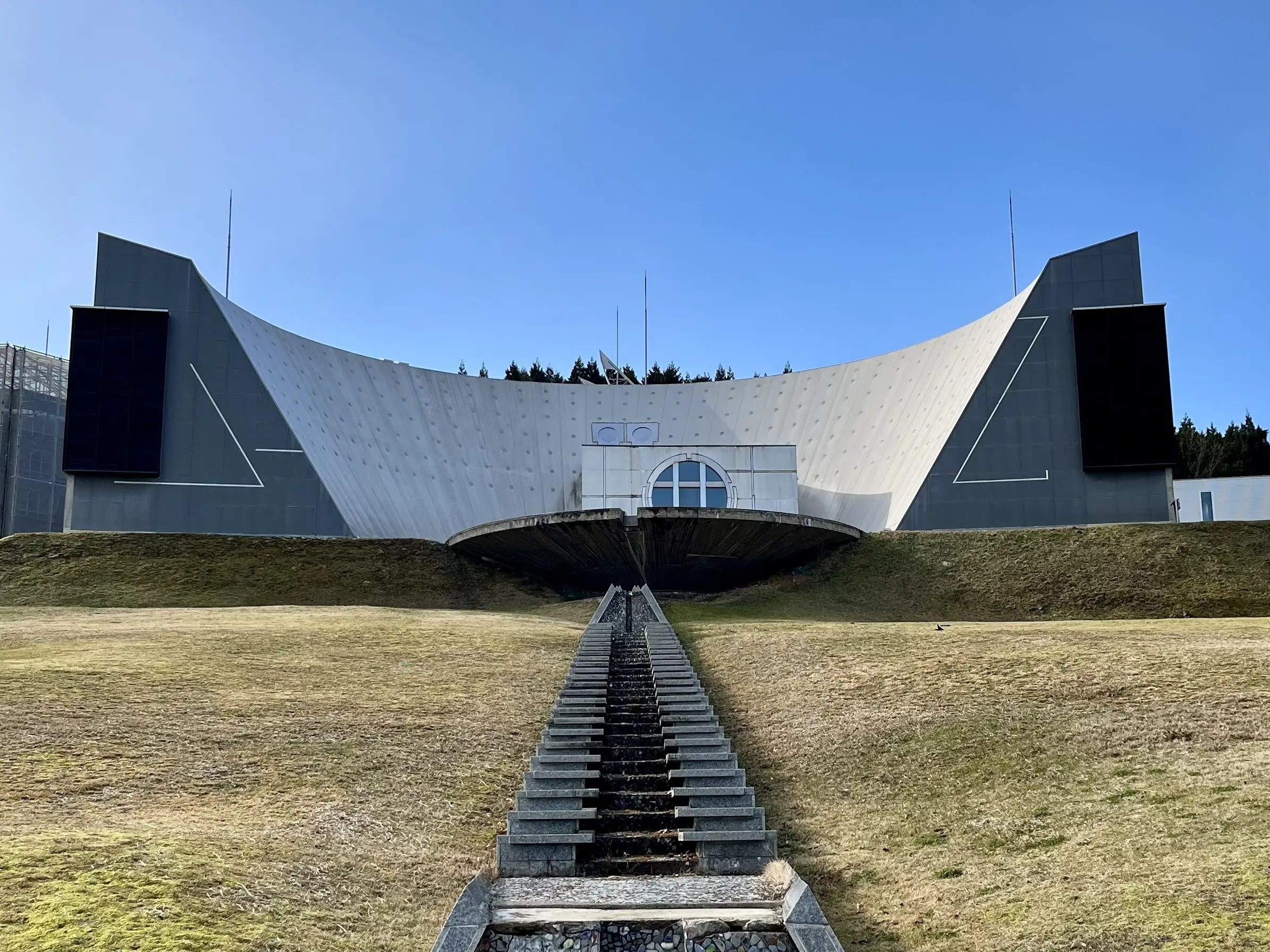
Notojima Aquarium (Japanese: のとじま水族館)
I actually quite enjoy visiting aquariums when I travel, and I often make a point of going to them.
Each aquarium has its own creative approach to exhibits, and sometimes they have rare creatures you don't often get to see, so I keep visiting because I enjoy these once-in-a-lifetime encounters.
And Notojima Aquarium had so many surprises and was so much fun that I definitely recommend visiting!
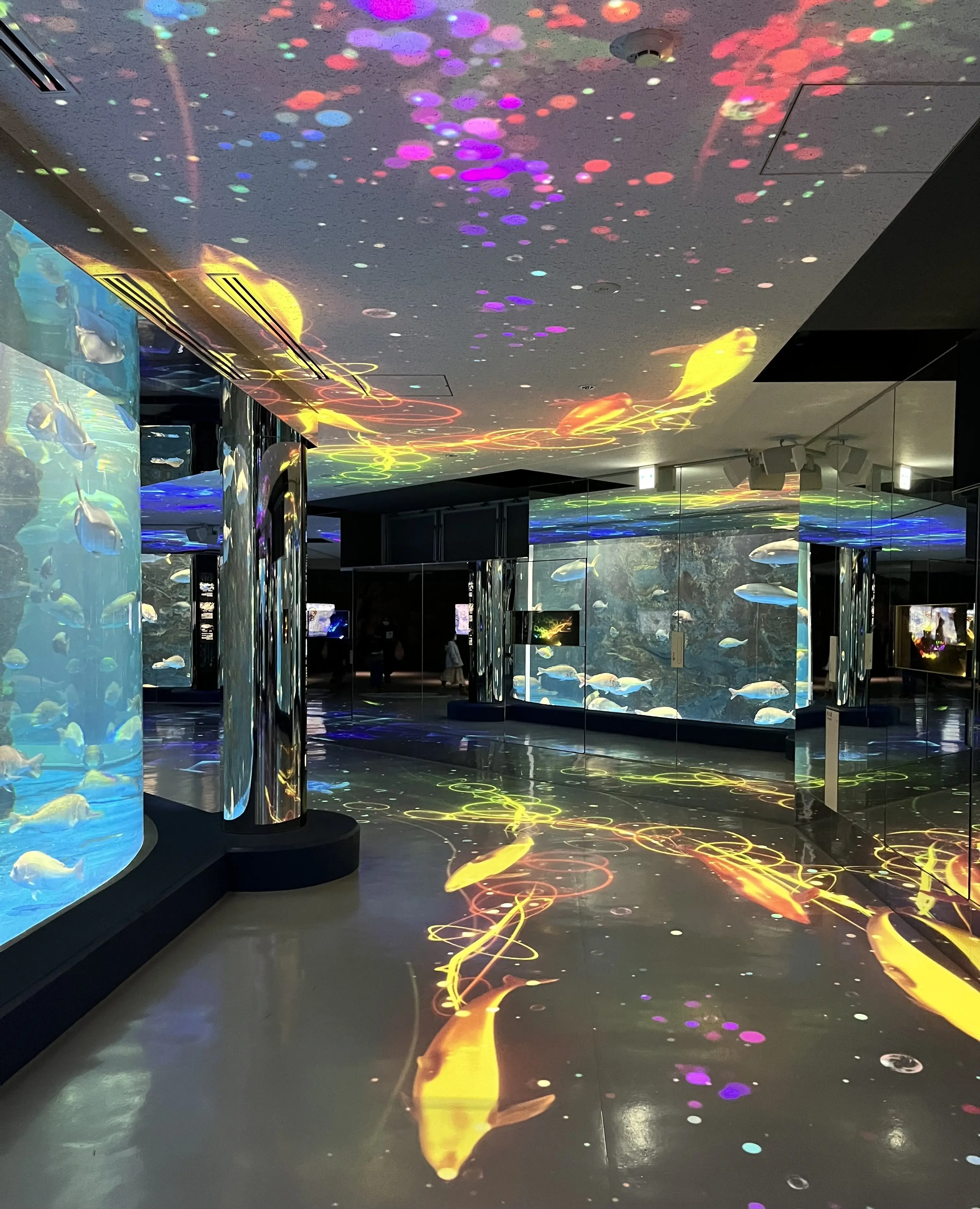
The whale shark tank and the dolphin tunnel tank are wonderful, including their design, but what impressed me most was the "Noto Kaiyu Kairo" (Noto Ocean Corridor).
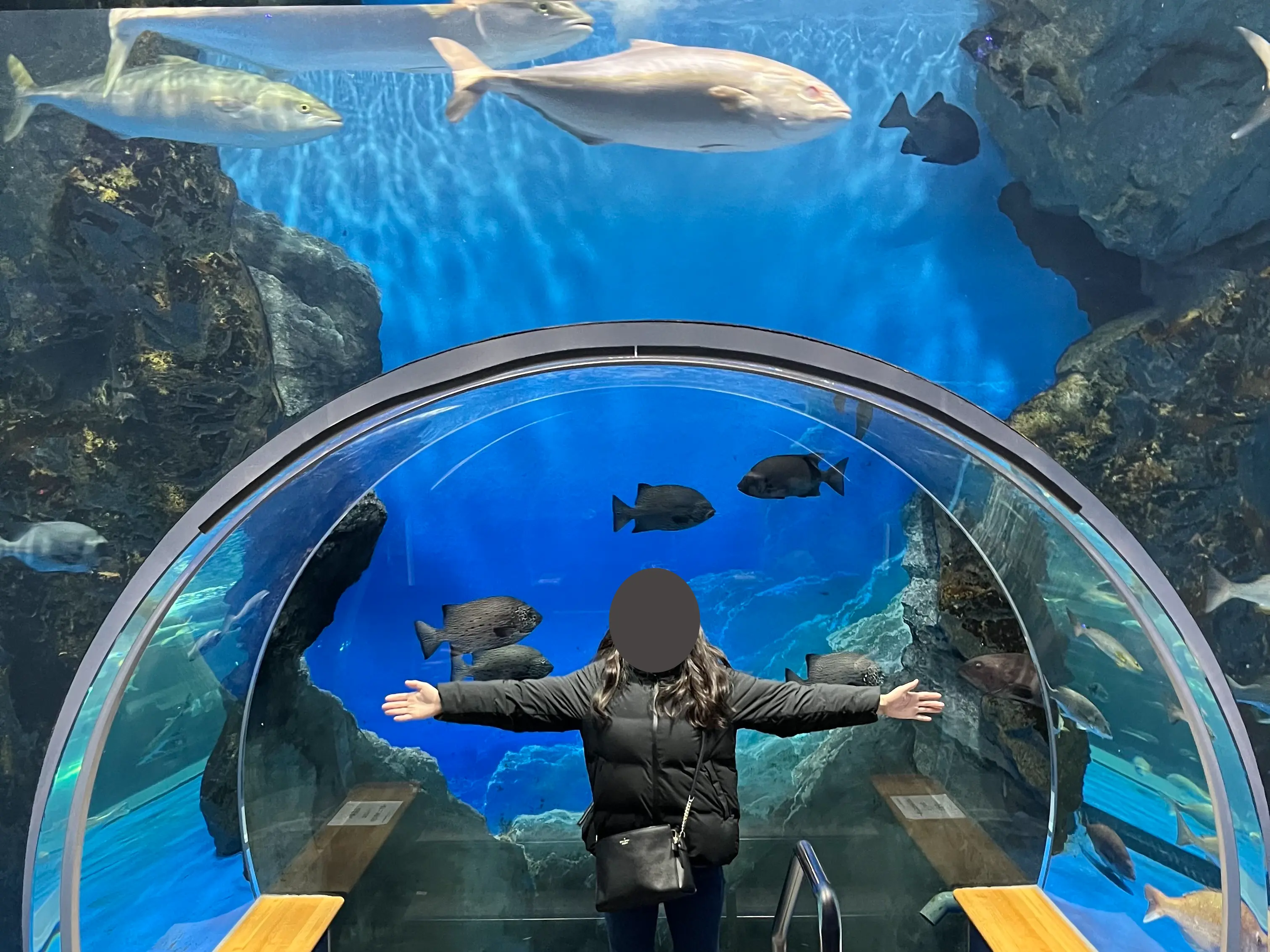
This area features projection mapping that creates a fantastical atmosphere, and best of all, there were many fish swimming around that were the same size as me or even larger.
The sight was quite spectacular, and I couldn't help but want to compare my size with theirs, so I took comparison photos (laughs).
The exhibits are designed in various ways throughout to help you feel close to the living creatures, so please take a look around while paying attention to these thoughtful details.
It was a particularly memorable aquarium.
Noto Yumeterasu (Besshodake Service Area)
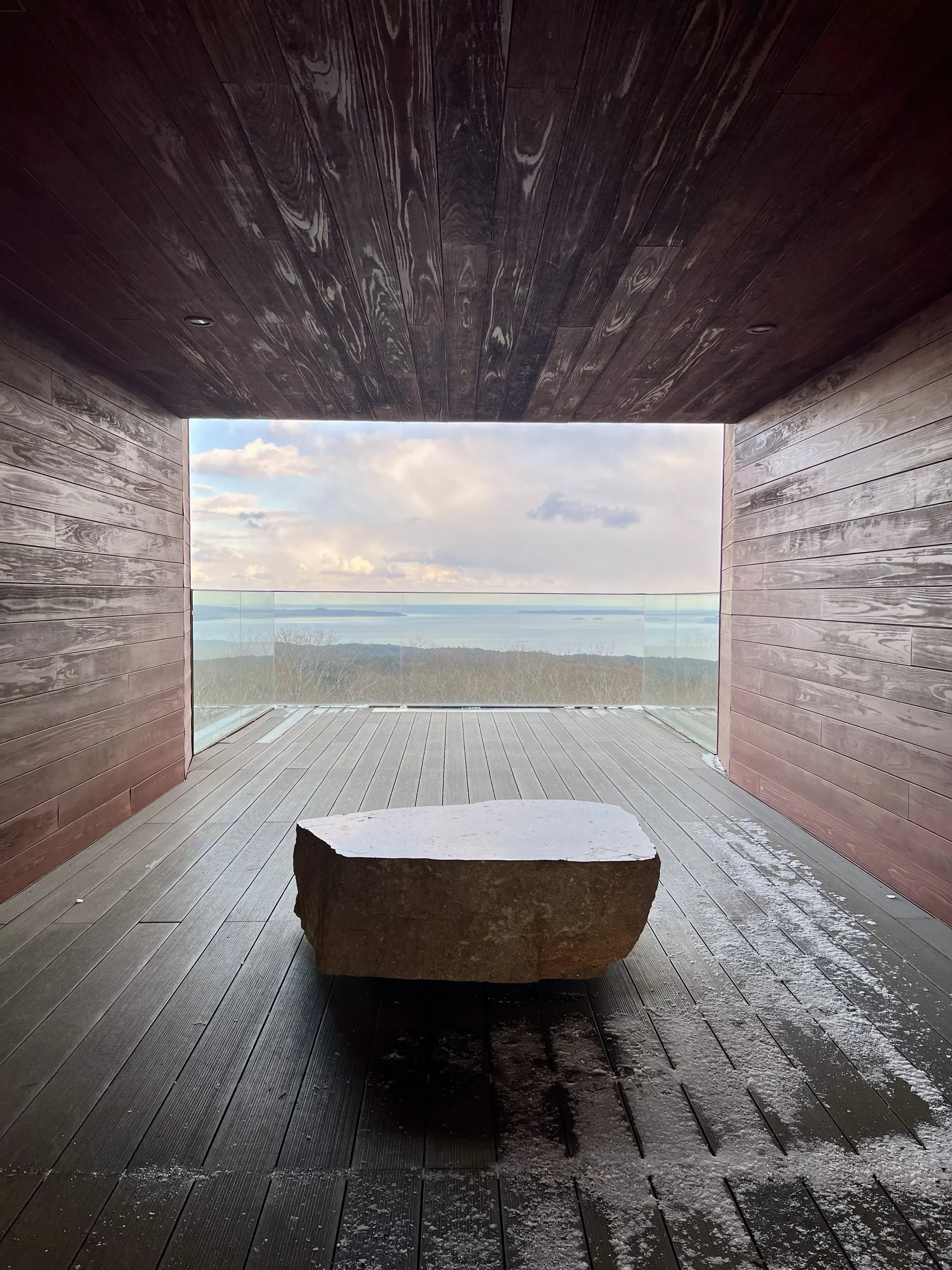
This is a bit of a bonus recommendation, but if you're driving around the Noto area, I highly recommend the observation deck at Besshodake Service Area, which offers a panoramic view of Nanao Bay.
Reflections on My 10-Day Workation in Kanazawa, Ishikawa
Winter in Kanazawa (the Hokuriku region) is characterized by very few sunny days, with rain, snow, and hail, along with piercing winds that make it extremely cold, so I strongly recommend going well-prepared with warm clothing.
While Kanazawa city itself apparently doesn't get much accumulating snow in recent years, the weather is often poor, so I recommend waterproof shoes and solid cold-weather protection.
Even with Heattech extra warm tights and jeans, the cold was painfully piercing, like needles stabbing my legs.
The cold and frequent hail were quite difficult for me to endure, which made me realize how incredible the people of Ishikawa are for weathering such long, harsh winters.
On the other hand, winter brings incredibly delicious ingredients like Kanazawa oden, winter yellowtail, and crab, which is why I actually prefer visiting in winter!
With such abundant ingredients and so many skilled chefs who know how to bring out their best, I truly think of it as a culinary treasure trove.
Whether you take your time sightseeing around Kanazawa Station or actively venture out to surrounding areas, there are so many ways to enjoy yourself no matter how many times you visit.
I hear kayaking in summer is also fun.
And as you've seen, Ishikawa Prefecture has so many traditions, cultural practices, and historical structures still preserved.
What's more, the people of Ishikawa Prefecture take great pride in these things and carefully protect them—something I could feel in many different situations when I actually visited.
Having so much culture to be so deeply proud of is truly enviable, and it made me feel strongly that even those of us who don't live in Ishikawa should learn more about it and take pride in it as Japanese people.
Even after 10 days, I feel there are still many new discoveries to be made, so I plan to visit again.
I hope you'll all visit Ishikawa and Kanazawa, where Japan's traditional culture remains so vibrant!
※Business hours and rules for locations and shops may have changed. Please be sure to check the latest information yourself.
※These are purely my personal impressions, so please use them as reference only.